
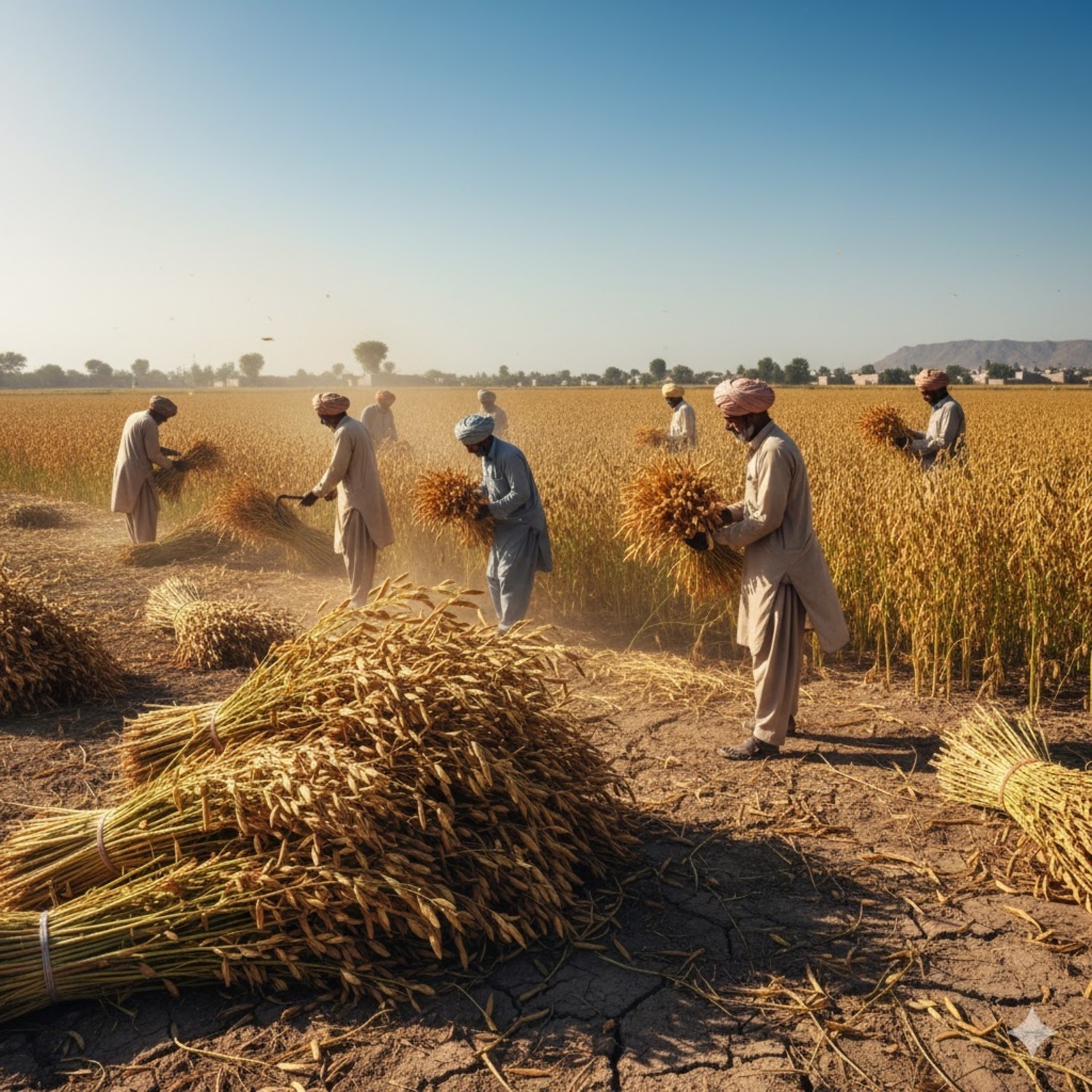
While the cultivation of key crops has seen significant growth in Pakistan, post-harvest storage remains a critical challenge. This is particularly relevant for sesame, whose production has surged over the last five years, reaching 1.119 million tons in 2024. This boom in production has directly fueled the country’s export economy, with annual Sesame Seeds exports growing to $1 billion.
This surge in the production and export of sesame has placed Pakistan as the third-largest exporter of sesame in the world. Originating in Sindh, Punjab, and Khyber Pakhtunkhwa provinces, these precious seeds are exported to Turkey, China, South Korea, Japan, and the Middle East.
Nature of Sesame
Sesame has a high amount of oil content, which makes it susceptible to rancidity. It means fats and oils in it spoil if exposed to light, moisture, and heat. The regions where it is grown are exposed to unfavorable weather conditions, especially in the harvest season, which is from August to October. Therefore, proper planning for the storage of sesame is more important than its export, because export value is highly dependent on its quality.
Factors That Damage The Crops
There are several factors that affect the quality of sesame in Pakistan. They are:
Light And Heat
Exposure to light and high temperatures can cause rancidity due to sesame being a crop known for its oil content. The oil and fats in it break down, causing a bad smell and taste.
Humidity
Mold and fungi build up due to increased humidity. The moisture content of sesame needs to be maintained below 6%; greater than this number is harmful.
Pest Or Insect Infestation
Bugs and pests damage the sesame seeds, causing loss in crops, a drop in their quality, and their monetary value.
Quality Of Seed
The use of low-quality seeds results in lower yield and shattering. This happens when the seed pods burst open prematurely, wasting the seeds before they can be harvested.
Fertilizer
The incorrect use of fertilizer may result in low-quality production of sesame seeds. Meskay and Femte Trading Company enforces strict production guidelines to make sure that the exported sesame seeds are clean and high-quality.
Climate Condition
Weather conditions such as excessive rainfall and too high temperatures can cause discoloration and damage to sesame.
Soil
Sesame requires a specific type of soil, which is well-dried sandy loam, to thrive. This type of soil provides the right balance of nutrient retention and drainage, making the root strong and healthy.
Diseases
Plant diseases, such as phyllody, cause harm to the crops.. There are several types of plant diseases that can reduce the quality of sesame.
Weed Growth
In the rainy season, weeds grow alongside crops. These weeds steal essential resources like water, sunlight, and nutrients from the soil that the crops need to survive and grow.
Factors that Affect the Quality of Seed Post-Harvest
Traditional Drying Techniques
The inefficiency of traditional drying methods often leads to mold and fungi. Using modern techniques is crucial to achieve the complete dryness needed to protect sesame seeds.
Lack Of Information
Farmers often lack adequate and proper education on how to take care of and protect sesame from the various types of harm. Educating them on proper handling of sesame seeds can help them improve their quality and get better revenue.
Storage Facilities
Inadequate storage conditions lead to significant losses in both the volume and market value of sesame.
Damage During Transportation
Sesame is often damaged during transportation due to improper handling. This can include using poor-quality bags, improper loading/unloading, and exposure to moisture, all of which may lead to crushing, spoilage, and loss.
How To Store Sesame Seeds Post-Harvest
To make sure that the excellent quality of sesame seeds is exported, they need to be protected from various factors that can damage them.
The following are the ways of storing them.
Clean The Sesame
After threshing, sesame seeds must be thoroughly cleaned to remove all plant matter, debris, and foreign materials. The final product must be free of any visible impurities.
Dry The Seeds
After cleaning, sesame seeds must be dried using modern, controlled techniques to a moisture content of no more than 6%. It should be precisely tested and verified using a calibrated digital moisture meter to prevent mold growth.
Containers And The Storage Rooms
Seeds must be stored in clean, dry, and well-ventilated containers. The storage room and containers must be sealed and pest-proof to prevent insect infestation.
Packaging
Always use new bags and avoid using old ones, especially if they show any signs of damage or contain plant debris. For optimal moisture protection, use polypropylene or multi-laminated bags. For export quality, upgrade to vacuum-sealed or nitrogen-flushed bags.
Warehouse Conditions
Store all bags on wooden or plastic pallets, keeping them elevated from the floor and spaced away from the walls to keep them from catching moisture. Use exhaust fans in storage rooms in cities like Karachi and Hyderabad, where humidity is high. Additionally, Place silica gel desiccant packets throughout the storage space to maintain dryness.
Regular Checking
When storing sesame seeds beyond 30 days, conduct regular inspections for mold, fungi, unusual odors, or any signs of insects or pests. Also, monitor for changes in the seeds’ color or texture during these checks.
Conclusion
Maintaining optimal storage conditions is essential for preserving the export quality of sesame seeds. Global buyers demand high-quality produce carrying premium physical and physiological properties. The storage conditions help exporters keep the seeds in good quality throughout the supply chain. Failure to maintain these standards results in significant losses due to rejected shipments.
FAQs
1. How to know if sesame is of good quality?
A: Sesame seeds are safe from impurities, their oil content is high, and their color and size are uniform. Anything unusual is a sign that they are low quality or spoiled.
2. Why is it important to take care of storing sesame seeds before they are exported?
A: It is important to store sesame seeds in good conditions because their quality needs to be retained for high value. Buyers do not accept low-quality sesame seeds, and the hard work put into the cultivation of seeds is wasted, along with a large amount of financial loss.
3. How should the sesame seeds be stored in packages to retain their high quality?
A: Sesame seeds need to be kept safe from moisture and light. The best type of packing for this purpose is vacuum-sealed or polypropylene bags. Keeping silica gel or dehumidifiers near the bags is also a cost-effective solution to keeping the seeds dry.
4. How should sesame seeds be stored post-harvest?
A: The room needs to be clean, free of insects, moisture, and too much light. The sesame seeds need to be kept safe from moisture, light, and pests or insects. When packed, the bags should be placed on an elevated place above the ground and away from the walls to keep the seeds safe from moisture.
Leave a Reply