
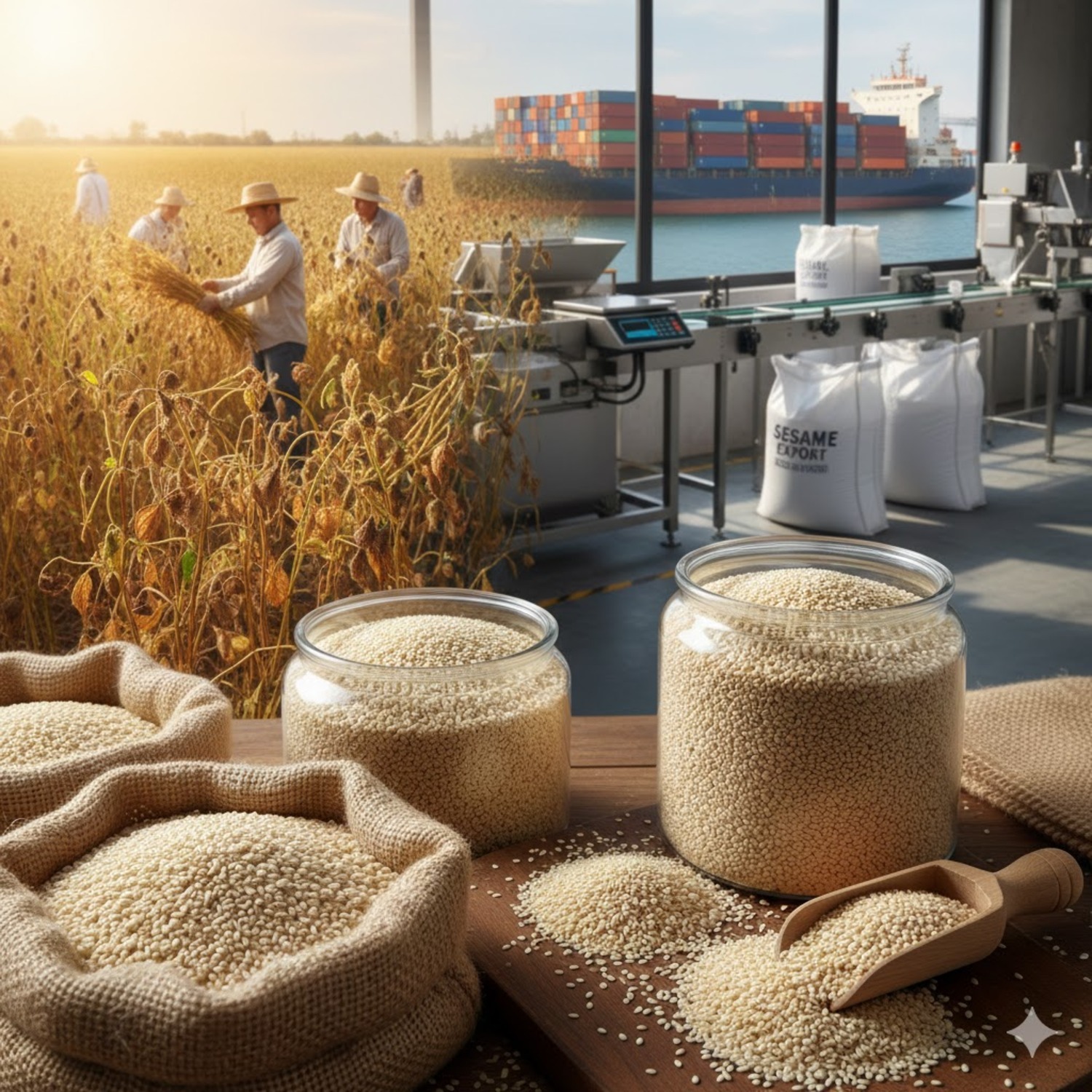
Sesame seeds are a small crop with big value. They’re used in everything from oil to snacks, across many countries. But even with steady demand, prices don’t stay still. The reason? Seasonality.
Changes in weather, planting schedules, harvest periods, and even holiday demand play a major role in how sesame is priced. That’s why understanding sesame seed price seasonality is key for anyone buying, selling, or trading globally
Let’s get it all down to what shifts prices, how to spot trends early, and what to watch if you’re involved in the sesame trade.
How Global Sesame Market Trends Follow the Calendar
Sesame harvest times vary by country. Pakistan, India, Sudan, and Ethiopia harvest around October and November. Nigeria harvests a bit later.
When several countries harvest at once, supply rises, and prices dip. After harvest ends, supply drops and prices go back up. Tracking harvest calendars helps traders plan ahead of time. But weather can shift these timelines, so it’s smart to watch both climate and crop cycles.
How Weather Shapes Sesame Prices
Sesame crops react badly to excess rain or drought. Heavy rain can ruin harvests. Late monsoons delay planting.
These issues reduce supply fast. That often leads to price spikes, especially when major producers face poor yields.
Drought lowers seed quality. Top-grade sesame becomes rare and costs more. Climate reports help traders spot problems early, before prices jump.
Seasonal Demand from Importers Impacts Prices Too
It’s not just supply that matters. Demand has its own rhythm. Certain months drive more buying activity than others, based on:
- Religious holidays like Ramadan, Diwali, or the Chinese New Year.
- Regional festivals where sesame-based foods are popular.
- End-of-year inventory targets for large food manufacturers.
When demand spikes around these periods, prices can go up regardless of harvest season. And since many buyers know this in advance, they sometimes buy early to avoid the higher prices later.
That early movement causes prices to rise even before peak demand hits. This is why both buyers and sellers need to track sesame seed price seasonality, not just by region but also by the global demand calendar.
Timing isn’t the only factor; storage and Shipping Matter
Sometimes sesame seed prices move for reasons that have nothing to do with farming. For example, if farmers decide to hold their stock waiting for higher prices, that slows down supply.
If ports are congested or shipping costs rise, that gets added to the final price. If governments change export policies, that can either flood the market or tighten it overnight.
These extra layers mean even during good harvest seasons, prices might not drop much. Or during tight seasons, the prices might spike harder than expected.
Stay Ahead during a Shifting Market
If you’re buying or trading sesame, watching the calendar is just step one. You also need to:
Track weather forecasts for top-growing countries.
- Know when large buyers typically place orders.
- Watch export data and trade policy updates.
- Monitor stock levels in the local and international markets.
Buyers who keep tabs on these things can plan ahead of time. They avoid panic buying, lock in better deals, and build stronger relationships with reliable suppliers.
This is especially useful if your business depends on stable sesame prices over time.
Seasonality Matters Even in a Volatile Market
The market indeed shifts fast. Yes, climate and logistics cause chaos. But even with all that, sesame seed price seasonality still gives you a map. It shows when to expect lower prices. It shows when to brace for a climb.
And in the sesame trade, even a few cents difference per kilo can mean a big impact when you’re moving bulk volumes. So understanding seasonality isn’t just helpful, it’s necessary.
Choose a Supplier Who Knows the Market
Seasonal price shifts affect the local as well as the global market.. Trade smartly with a company that has efficient knowledge like Meskay & Femtee, a trusted name in global sesame trade.
FAQs
1: What months are sesame seed prices usually lowest?
A: Prices often dip between October and December when multiple countries hit peak harvest. But this can shift depending on the weather and global demand.
2: How does seasonality affect global sesame market trends?
A: It impacts supply timelines. More supply during harvest lowers prices, while a lower supply after harvest increases them.
3: Do weather changes really affect sesame prices that much?
A: Yes. A bad harvest in one major country can move global prices fast. Add poor logistics or rising demand, and it jumps even more.
4: Are sesame price fluctuations always seasonal?
A: Not always. Political changes, trade restrictions, and shipping issues can shake things up anytime. But seasonal patterns still give a solid base to plan around.
Leave a Reply