
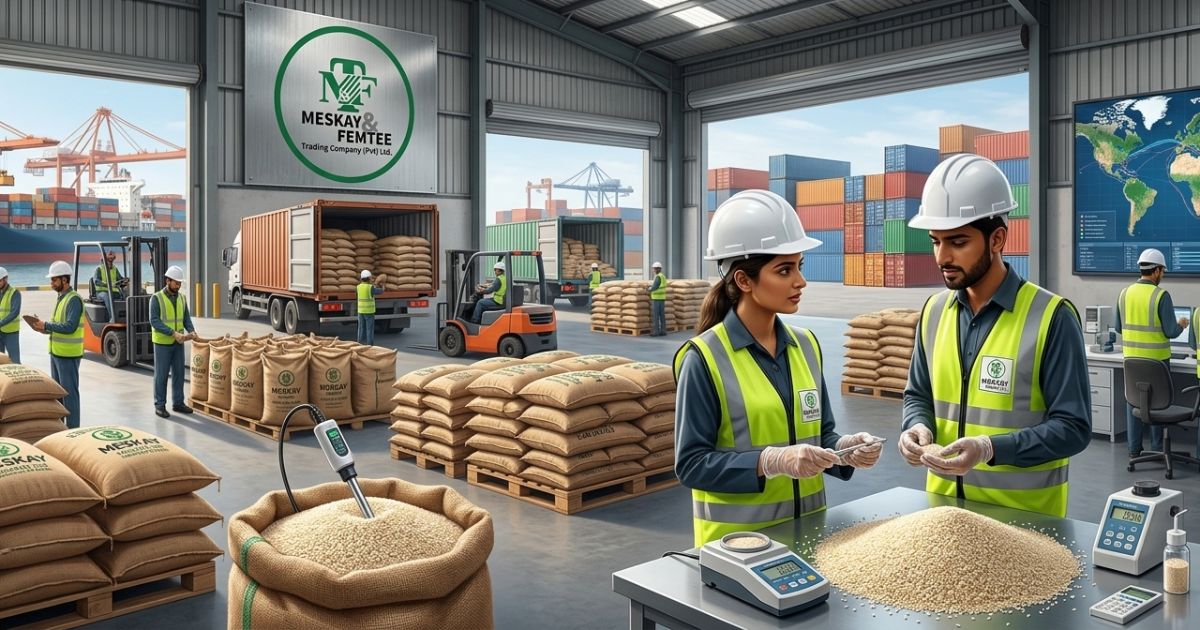
Sesame seed export pricing in global markets depends on quality, weather, and trade volumes.
- White sesame sets the baseline price. Black varieties cost more.
- Cleaner seeds with high oil content fetch top prices.
- Huge buying from China sets the global price floor.
- Bad weather or conflict in growing nations spikes prices.
- Lots meeting strict EU or Japanese chemical standards earn premiums.
These factors help traders forecast market shifts and secure stable contracts.
Major Factors Affecting Sesame Seed Export Prices
Global sesame seed export prices depend on complex market forces. International trade requires careful navigation of quality specs, logistics, and buyer demands. Understanding these core pricing mechanisms helps sesame seed suppliers maximise their revenue.
Common Challenges in Global Sesame Seed Pricing
Exporters face severe hurdles in global sesame markets. Price unpredictability complicates budget forecasts and trade contracts. Navigating these common challenges requires sharp risk management.
Severe Climate Disruptions
Erratic rainfall patterns damage crop yields, while sudden droughts reduce local seed oil content. Unseasonal floods can ruin entire regional harvests overnight, and such supply shocks inevitably trigger extreme price spikes globally.
Extreme Price Volatility
Volatile supply and growing demand have made extreme price fluctuations a new norm. Crop speculation accelerates these market swings and unpredictable trade policies only add to the instability. With significant price shifts occurring within hours of market opening, exporters struggle to set reliable long-term quotes.
Fluctuating Currency Rates
Exchange rate volatility directly affects profit margins. Local currency strength shifts export competitiveness. Since unstable currency values impact real-time pricing contracts, traders often face massive losses from sudden devaluations.
High Post-Harvest Losses
Poor storage facilities degrade seed quality. Excessive moisture levels trigger rapid mould growth. Inadequate cleaning infrastructure leaves high admixture levels, and as a result,. damaged seeds receive steep market price discounts.
Global Demand Dynamics
Chinese crushing volumes set baseline prices for the global market. Plant-based food trends have raised white sesame values. Meanwhile, growing Western health markets continue to increase global volume needs, adding further upward pressure on prices
Strict Quality Standards
Higher oil content boosts rates,whilelow moisture and 99%+ purity helps avoid costly pricing penalties. Shipments backed by certified lab test results fetch the highest market bids.
Logistics and Freight
Volatile ocean freight rates change destination costs. Poor inland roads add premiums. Port clearance delays compound the problem by adding heavy storage fees, squeezing exporter margins even further.
Global sesame export pricing ultimately depends on the combination of quality, demand, and freight. Managing these factors can help businesses protect trade margins.
Packaging Costs and Their Impact
Proper packaging protects seed quality but raises final expenses.
- Woven Bags: Polypropylene bags increase material costs.
- Moisture Protection: Desiccant linings add extra expenses.
- Bulk Liners: Specialised container liners protect margins.
Using specialised linings and bags prevents expensive mold damage. Investing in quality materials ultimately protects long-term trade margins.
Quality Standards and Their Effect on Pricing
Strict commercial parameters dictate the final market value of exported sesame seeds.
- High Oil Content: Batches hitting 50–54% oil capture premium rates.
- Low Moisture Levels: Maintaining 5–8% moisture avoids severe rancidity discounts.
- Maximum Seed Purity: Lots with 99%+ clean seeds prevent machinery damage.
- Admixture Sieve Compliance: Minimal foreign matter limits deep pricing penalties.
- Free Fatty Acids: Keeping FFA under 2% protects bulk oil values.
- Uniform Colour Consistency: Matching specific export visual grades raises pricing.
Premium seed quality maximizes batch revenue. Off-spec metrics trigger steep market discounts.
How Buyers Compare Sesame Seed Export Prices
Buyers evaluate sesame offers by balancing initial costs against hidden processing fees.
- Importers compare total freight fees.
- Low purity increases processing costs.
- Prices vary by seed type.
- Shipping lane proximity affects affordability.
- Certified lots fetch higher quotes.
Buyers calculate the total yield value. Low upfront prices invite risks.
Why Choosing the Right Exporter Matters
Meskay & Femtee Trading Company (MFTC) ensures timely, hassle-free bulk cargo delivery. International trade errors instantly destroy your profits through port delays, quality rejections, and unexpected shipping penalties.
- MFTC ensures clean seed lots.
- Strong farm networks secure volumes.
- Advanced compliance prevents border delays.
- Integrated logistics absorb freight shocks.
- Direct sourcing protects profit margins.
Conclusion
Global sesame seed export pricing balances raw commodity market supply with strict international quality requirements. Savvy traders monitor freight fluctuations and processing yields to protect their profit margins. Ultimately, success requires managing shifting demand, following strict quality protocols, and navigating volatile logistics costs.
FAQs
1. How are sesame seed export prices determined?
Export prices reflect colour, oil, and purity. Natural white sets the market baseline. Black sesame commands premium prices. Final quotes use standard FOB or CIF metrics.
2. What factors affect sesame seed prices globally?
Global prices are driven by weather disruptions in major growing regions and changing import volumes from China. Strict pesticide and aflatoxin limits enforced by importing nations also cause massive price variations.
3. Which countries import sesame seeds from Pakistan?
Pakistan exports bulk sesame suppliers primarily to China for oil crushing. Other major buyers include premium Japanese confectionery markets. Middle Eastern tahini manufacturers are also major buyers. European Union food distributors drive large volumes too.
4. Why do sesame seed prices fluctuate?
Prices change rapidly due to post-harvest climate shocks such as unseasonal rain, which can ruin crop quality. Shifting global oilseed values force industrial buyers to pivot. Buyers switch between sesame and alternative oils.
5. How do exporters calculate sesame seed profit margins?
Exporters subtract farm procurement costs, cleaning weight losses, and inland logistics fees from their final FOB or CIF sale price. Integrated suppliers like MFTC use automated cleaning. This technology reduces processing losses. It also protects trade margins.
Leave a Reply