
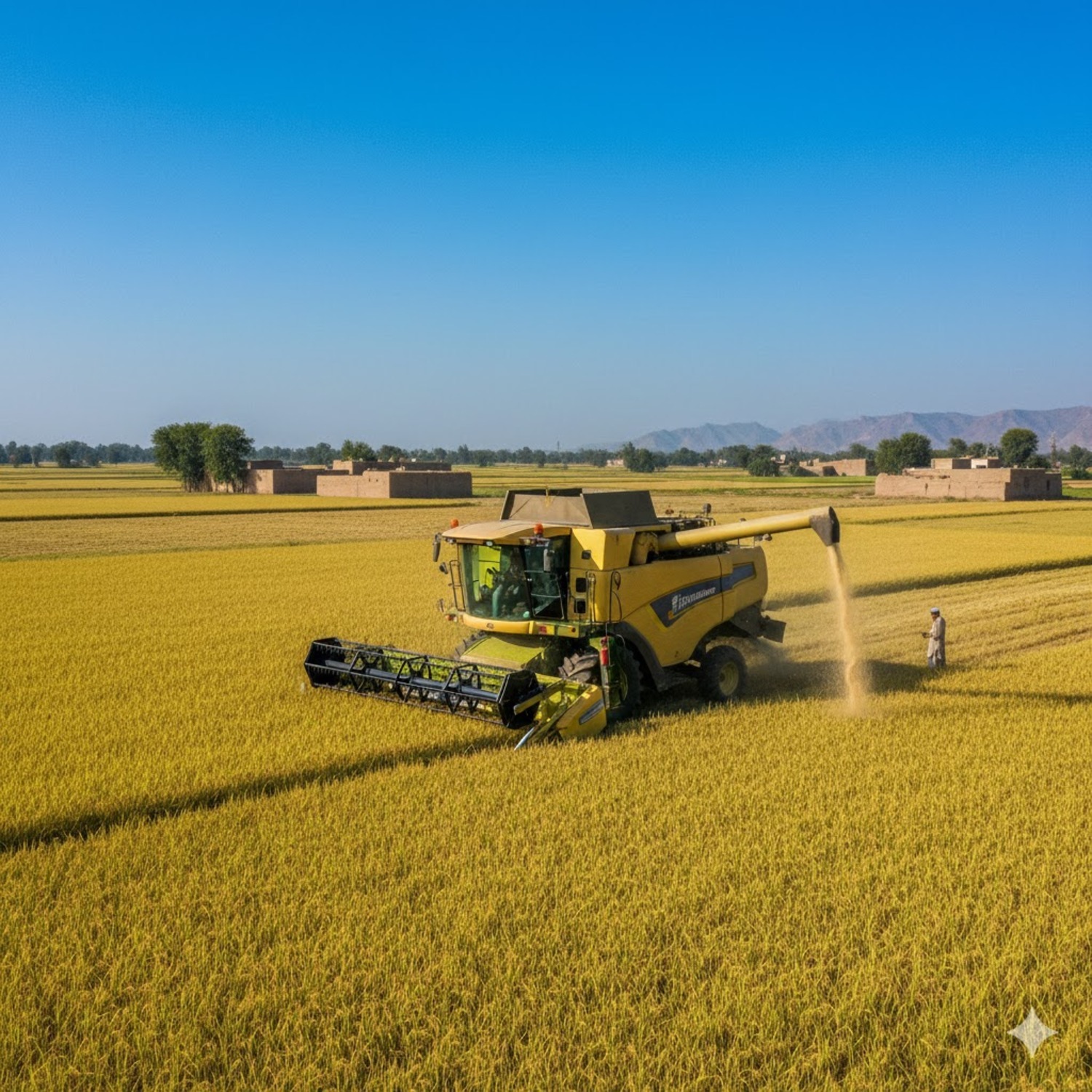
Manual harvesting takes time, effort, and a lot of labor. As rice demand keeps growing, farmers need faster and smarter ways to handle their fields. That’s where machines come in.
Mechanized rice harvesting benefits farmers by reducing costs and improving yield quality. It also helps solve the growing labor shortage in agriculture. When done right, it gives better results with less effort.
Let’s explore how using rice harvesting machinery makes a big economic difference right from the field to the market.
How Rice Harvesting Machinery Changes the Game
Before machines, harvesting needed dozens of workers. They had to cut, gather, thresh, and clean each bundle by hand. It took days or even weeks for just one field.
With rice harvesting machinery, that same work finishes in hours. A single combine harvester can handle more acres than a full crew. It cuts, separates, and collects the grains in one go.
This shift speeds up the process. It also reduces grain loss during cutting and collection. Farmers get more usable rice from the same field.
Time Saved Means Money Saved
Harvest time is short. If you miss the right window, the crop can get damaged or overripe. Machines work faster than human hands. This speed means farmers can harvest at the right time even if the weather changes. That gives better quality grains and fewer losses.
Fast work also lowers labor costs. Instead of paying for a large group over several days, farmers hire fewer people to operate machines. This is one of the key mechanized rice harvesting benefits that impacts income directly.
Less Labour and High Demand
Finding field workers is hard, especially during peak harvest season. Many young workers move to cities for other jobs. That leaves fewer hands in the field.
Rice harvesting machinery helps fill that gap. One machine can do the job of 30 to 40 workers. It also reduces the need to train new labor every season.
While the machine costs money up front, the savings over time add up. Many farmers see returns within a few harvests. Some even rent machines to other farmers when not in use.
Consistent Results with Machines
Manual harvesting depends on skill, stamina, and speed. Results often change from one worker to another. Small mistakes during cutting or cleaning can reduce the total crop.
Machines, like the Kubota harvester, don’t get tired or lose focus. They move through the field in a steady, even way. This means cleaner cuts, less grain left behind, and faster collection.
With better harvest quality, farmers usually get better prices. Clean, dry, and damage-free rice is what buyers look for. That’s why many farmers who switch to machines like Kubota see better returns at the end of the season.
Hidden Savings in Every Step
Besides labor, machines help save in other ways:
- Less fuel use: Harvesting fast means less time on tractors and transport.
- Lower storage loss: Clean and timely harvest means rice stores better.
- Less spoilage: Machines reduce grain left behind or damaged in the field.
These savings may seem small on their own. But together, they give a strong boost to overall farm income.
What to Watch Before Buying
While rice harvesting machines offer clear benefits, picking the right one matters just as much. Not every machine fits every field. Smaller or water-logged areas might not handle large combines well. In those cases, tracked machines often work better, especially on soft or uneven soil. Farmers should also think ahead about a few things:
- Maintenance: These machines need regular checkups to stay in good shape.
- Fuel: Some regions may face fuel supply issues, which can delay work.
- Training: Operators should know how to run the machine and fix common problems.
Getting the wrong machine can cost more in the long run, both in time and money. That’s why it makes sense to speak with trusted suppliers or local experts.
Meskay & Femtee Trading Company, a leading trading company that understands rice farming from the ground up, can help farmers choose machines that actually work for their fields
Conclusion
Mechanized harvesting brings real value to rice producers. Cutting harvesting time and reducing waste help improve both yield and profit. For companies focused on large-scale supply like those offering consistent, export-ready grains, this shift isn’t just helpful, it’s smart business. It supports better quality, steady output, and lower production costs, all of which matter in global trade.
FAQs
1: How much faster is machine harvesting compared to manual work?
A: Machine harvesting can be 5 to 10 times faster, depending on the machine and field size.
2: Is rice harvesting machinery affordable for small farmers?
A: Some machines are costly. But many farmers rent or share machines to lower the cost.
3: Does mechanized harvesting affect grain quality?
A: Yes, in a good way. Machines give a cleaner harvest and reduce grain damage, leading to better quality.
4: Are there fields where machines don’t work well?
A: Yes. Very wet, hilly, or uneven fields may be hard for large machines. Smaller tools or special models may help.
5: How do machines affect labor in farming?
A: They reduce the need for large crews. But skilled operators are still needed, and new jobs open in machine handling and repair.
Leave a Reply