
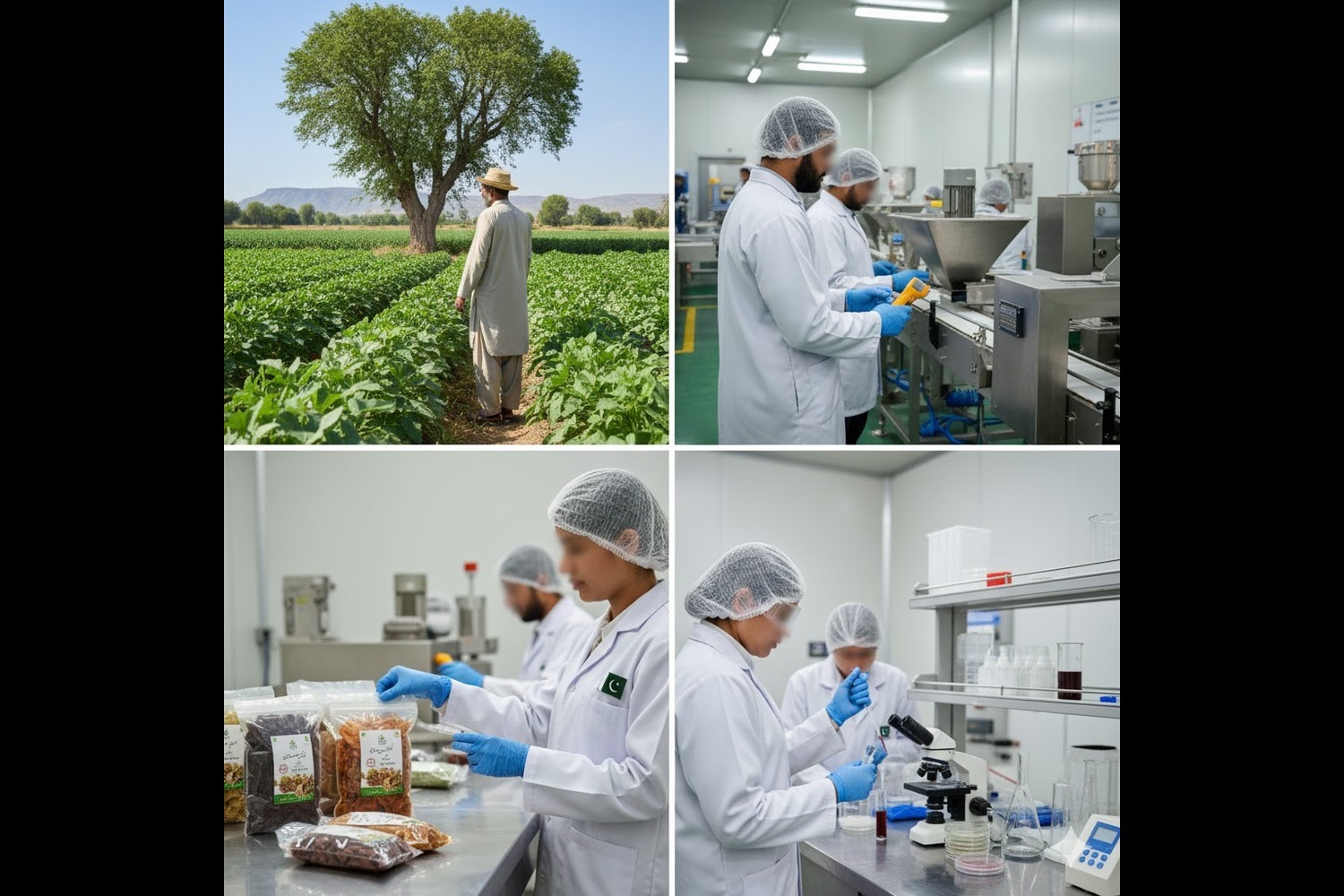
Food moves through a long chain of distinct processes and quality checks before it reaches you. It begins at the farm, travels through processing, packaging, transportation, and ultimately reaches the table. Every step is crucial and monitored to decrease the probability of disasters and ensure a higher quality product. This is where food quality certification systems play a major role. They create rules and checks that make sure food stays clean, safe, and consistent.
For companies like MFTC, certifications are more than just documents. They are proof that every batch follows international food safety standards from the start to the end. And for buyers, especially global importers, these certificates show that the company is a reliable and certified food exporter in Pakistan.
Below is a clear look at how certifications protect food throughout each step of the supply chain.
Why Food Certifications Matter Today
Food systems have expanded. One product involves farmers, millers, processors, storage facilities, distributors, and retailers. Without control and quality checks, this chain becomes risky. Contamination, mislabeling, or even small handling errors can affect health.
Food certifications solve this by:
- Setting strict rules
- Verifying compliance
- Standardizing processes
- Documenting every step
- Keeping suppliers accountable
These systems make sure that farm-to-table food quality isn’t just a promise. It’s measured, monitored, and proven.
1. Certifications at the Farm Level
Food quality starts where ingredients grow. Clean soil, safe water, proper fertilization, and controlled pesticide use determine the baseline quality.
Common certifications at this stage include:
Safety & Good Agricultural Practices
- Ensures safe farming practices
- Monitors pesticide use
- Requires recordkeeping of inputs
- Promotes responsible environmental management
Sustainability Compliance
- Promotes chemical-free cultivation
- Restricts synthetic pesticides and fertilizers
- Requires annual soil and field audits
These systems protect food before it even leaves the field. They prevent contamination early instead of fixing problems later.
2. Processing and Manufacturing Certifications
Once raw materials enter a facility, new risks appear: cross-contamination, temperature issues, poor hygiene, or packaging hazards. Certifications help prevent these through strict process control.
Some widely recognized certifications include:
HACCP (Hazard Analysis and Critical Control Points)
A globally recognized food safety system.
It identifies where risks can occur and sets preventive controls.
ISO 22000
Combines HACCP with management standards.
It ensures:
- Documented processes
- Staff training
- Consistent monitoring
FSSC 22000
An upgraded version of ISO 22000.
It adds:
- Supply chain requirements
- Environmental hygiene controls
GMP (Good Manufacturing Practices)
Focuses on:
- Facility cleanliness
- Storage conditions
- Pest control
- Equipment maintenance
Manufacturers with these systems show that they can deliver clean, safe, and consistent products every day.
3. Quality Protection During Packaging
Packaging is part of the food. If it fails, the food fails.
Certifications ensure:
- Food-grade material usage
- Proper sealing
- Allergen control
- Tamper-proof systems
- Accurate labeling
Good labeling is not just about branding. It must list ingredients, dates, batch codes, allergens, and correct nutritional information. Food safety bodies carefully review these details.
4. Transport and Storage Standards
Food quality certification also covers logistics. Temperature fluctuations, humidity, or poor handling can reduce shelf life or cause bacterial growth.
Certified supply chains follow rules like:
- Cold-chain verification
- Clean and sealed transport
- Product tagging
- Batch traceability
- Warehouse hygiene audits
Export markets are checked for these steps closely. Importing countries often refuse goods if transport standards are not documented.
5. Retail-Level Safety Controls
Even after food reaches retail shelves, standards continue. Retailers require storage logs, clean display equipment, and compliance with local food safety laws.
Although this part is usually handled by retailers, exporters, and manufacturers must provide:
- Full traceability
- Testing reports
- Expiry documentation
This creates a final safety link before the consumer buys the product.
6. How Certifications Help Exporters in Pakistan
Global buyers, especially in Europe, the Middle East, and North America, only work with suppliers who can prove compliance. This is why being a certified food exporter in Pakistan is essential for credibility.
For exporters, certifications help with:
- Access to international markets
- Reduced shipment rejections
- Higher buyer confidence
- Better product demand
- Compliance with importing country regulations
Companies like MFTC hold multiple food safety certifications to meet global expectations. These certificates allow them to supply food ingredients and agricultural products to strict overseas markets.
7. Protecting Farm-to-Table Food Quality Through Traceability
One of the strongest protective layers in modern food certification is traceability.
It means every batch can be tracked from:
Farm → Processing → Packaging → Transport → Retail
If an issue occurs, traceability systems can identify:
- Which farm supplied the raw material
- Which batch is affected
- Which machines processed it
- Where it was shipped
This prevents large-scale recalls and keeps consumers safe.
Many certification systems, including ISO 22000 and HACCP, require documented traceability. Exporting companies are often asked for these records before clearing shipments.
8. Why Certifications Matter for Consumers
For everyday consumers, certifications might feel like a technical detail. But they directly affect what people eat.
They protect consumers by ensuring:
- No harmful contamination
- Proper temperature control
- Accurate ingredient lists
- Safe additives
- Clear expiry information
- Fair packaging claims
In simple terms, certifications guarantee that the food is what the label says it is.
Conclusion
Food goes through many hands before reaching the table. Without standards, the risk grows at every stage. Food quality certification systems fix this by building safety into the entire chain from farming to processing to packaging and transport.
For companies like MFTC, these certifications aren’t just requirements. They are the backbone of operational quality. They allow the company to work as one of the reliable certified food exporters in Pakistan, supplying products that meet global expectations.
And for consumers, certified systems ensure that farm-to-table food quality is not a vague claim. It is a verified, documented, and internationally recognized process.
FAQS
1. What is the importance of food safety and quality?
A: Access to safe and nutritious food is the key to sustaining life and promoting good health. Unsafe food that contains harmful bacteria, viruses, parasites, or chemical substances may cause more than 200 diseases, ranging from diarrhoea to cancers.
2. How can food security be ensured and improved?
A: Food safety and security can be improved by reducing food waste, enhancing infrastructure, and promoting more efficient production techniques.
3. How can we ensure that the food safety system is effective?
A: Surveillance and monitoring are also essential for evaluating the system, identifying emerging issues and new trends, and assessing risk from the farm or sea to the table. Monitoring foodborne disease and related hazards also helps by detecting early hazards and illnesses.
4. How do food scientists ensure the safety and quality of the food we eat?
A: Through the use of different testing methods, they can detect harmful pathogens, allergens, and chemical contaminants that may be present in food. They also work to optimize food processing techniques to minimize the risk of quality issues, such as spoilage or loss of flavor and texture.
Leave a Reply