
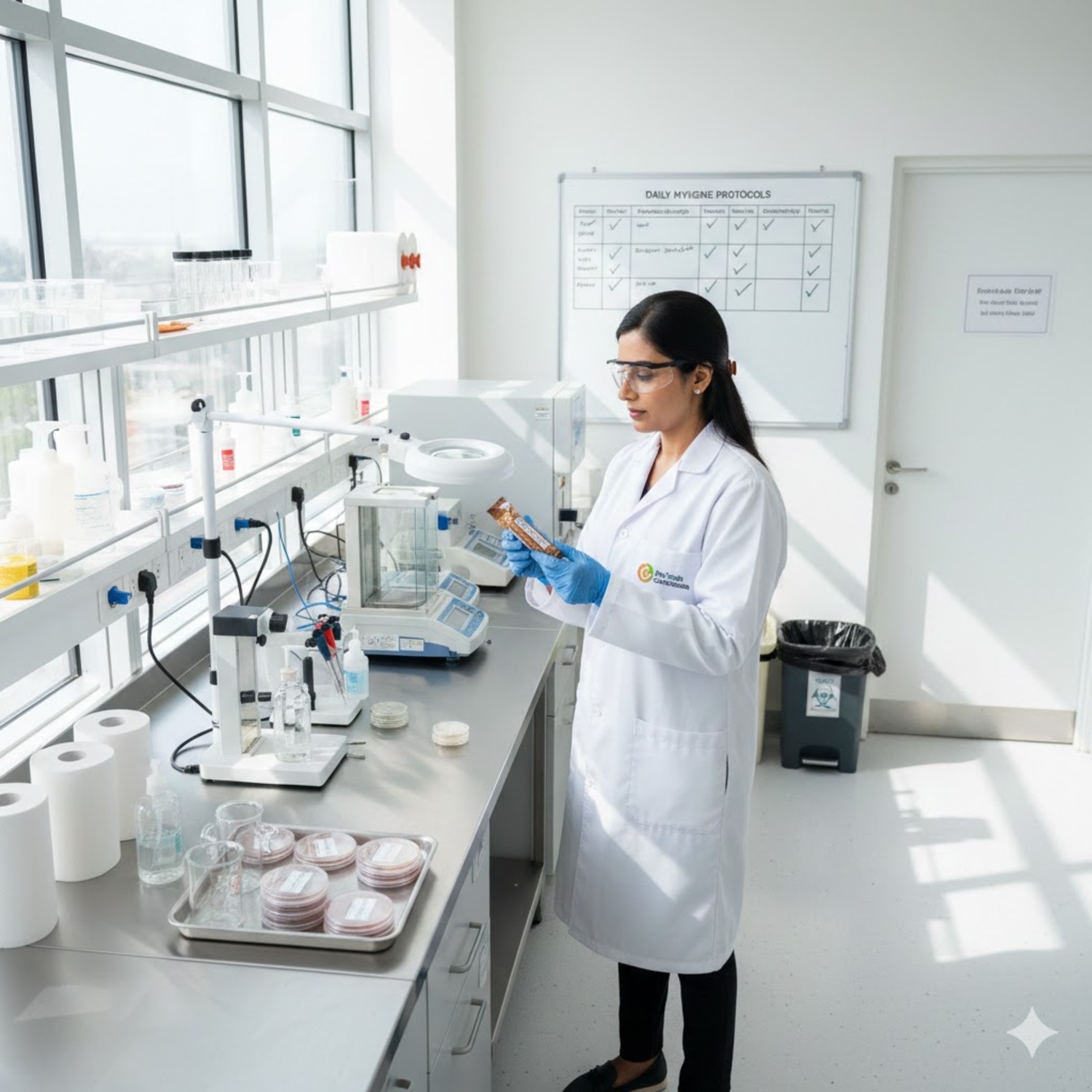
Food goes through a long chain of testing and processing before reaching the consumers. Every processing stage, from production to procurement, carries a different risk. This is why food quality standards matter. At MFTC, we set clear rules and standards for farming, processing, packaging, storage, and transport. With the accomplishment of these standards, the food quality increases, and people can trust what they consume.
For companies like MFTC, these standards shape daily operations. They guide how ingredients are sourced and how finished products are handled and supplied. Strong systems also help Pakistan’s food industry compete globally, especially as demand grows for safe and certified foods.
This blog explains why quality standards are essential and how they support food safety in Pakistan for local businesses and international buyers.
What Food Quality Standards Actually Do
Many people think quality standards are just guidelines. As a matter of fact, these systems are structured frameworks backed by global bodies such as ISO, Codex Alimentarius, and recognized food safety agencies.
These standards help by:
- Controlling contamination.
- Managing hygiene.
- Regulating additives.
- Ensuring proper storage.
- Standardizing processes.
- Keeping records and documentation.
- Training teams on safe handling.
When companies follow these frameworks, the food stays consistent, clean, and safe to consume. This is why most global importers require certified suppliers. They want satisfaction that every step meets the expected benchmarks.
The Link Between Quality Standards and Food Safety in Pakistan
Pakistan’s food sector has grown rapidly. Exports range from rice to snacks, spices, syrups, and processed foods. With ample growth comes a great responsibility. Like at MFTC, a food business, we meet both local regulations and international expectations.
Quality standards strengthen food safety in Pakistan by:
- Reducing bacterial hazards.
- Preventing cross-contamination.
- Improving water and ingredient testing.
- Setting rules for chemicals and preservatives.
- Requiring clean manufacturing spaces.
- Protecting the cold chain during transport.
Companies that follow these standards earn more trust and satisfy customers. They also face fewer shipment rejections abroad, which is a common issue for uncertified exporters.
Why Global Buyers Look for Trusted Food Exporters
Importers do not make purchasing decisions based on price alone. They check documents, testing reports, sanitation controls, and traceability records. Buyers look for trusted food exporters who follow strict procedures.
For this reason, certifications like ISO 22000, HACCP, GMP, Sedex, and FSSC 22000 have become basic requirements. These certifications show that a company:
- Understands risk management.
- Follows documented processes.
- Monitors its supply chain.
- Trains its staff regularly.
- Maintains traceability.
Export markets such as the EU, the Middle East, the UK, and North America require consistent quality. Companies without certified systems struggle to meet those expectations. Companies like MFTC follow these systems so buyers know they are working with a reliable, compliant supplier.
Inside the Food Certification Process
The food certification process is thorough. It is an inspection with a complete evaluation of how the company runs, from the minute raw materials enter the facility to the moment finished goods are shipped.
Most certification processes include:
- Gap Assessment: Auditors examine current processes to see what is missing.
- Staff Training: Teams learn how to follow procedures correctly.
- Hazard and Risk Analysis: Every potential risk is documented and controlled.
- Process Standardization: Companies write Standard Operating Procedures (SOPs) that guide each task.
- Facility Upgrades (If Needed): This includes sanitation improvements, pest control, monitoring tools, and updated equipment.
- Internal Audits: The company tests itself before the official audit.
- Final Certification Audit: An accredited body verifies compliance and issues the certificate if standards are met.
- Annual Surveillance Audits: Certifications don’t last forever. Companies must maintain them through yearly checks.
This step-by-step system ensures ongoing compliance, not a one-time effort.
How Standards Protect Food from Farm to Table
Food quality standards touch every stage of the chain. They prevent issues rather than solve them after they happen.
- Farm: Standards regulate fertilizers, pesticides, irrigation quality, and harvest hygiene.
- Processing: Rules cover equipment cleaning, ingredient testing, temperature control, and allergen management.
- Packaging: Food-grade materials must be used. Labels must be accurate. Seal integrity must be checked.
- Storage and Transport: Temperature logs, humidity checks, and hygiene controls protect sensitive goods.
- Retail: Traceability helps track any issue back to the source.
By following global standards, companies prove their food is safe during every step of the process.
Why These Standards Matter for Consumers
Consumers are very conscious about what they consume. They read labels. They ask about origins. They want reassurance that the food they buy is handled according to proper guidelines.
When companies follow quality standards:
- Food is labeled correctly.
- Allergens are controlled.
- Chemicals are regulated.
- Contamination is prevented.
- Shelf life is more accurate.
- Products stay consistent.
Why Standards Matter for MFTC
For MFTC, these standards are central to business. They support:
- Customer confidence.
- Compliance with international markets.
- Lower risk of returns or rejections.
- Stronger global partnerships.
- Safe and hygienic processing.
This positions the company as one of the country’s emerging trusted food exporters. By maintaining strong systems, MFTC ensures its products meet both local expectations and the strict regulations of international buyers.
Conclusion
Food quality standards play a crucial role in creating safe, consistent, and trustworthy food. They shape how companies operate and how products move through the supply chain. They also strengthen food safety in Pakistan, making local brands more competitive in global markets.
With a structured food certification process, companies like MFTC can deliver products that meet international requirements at every step. And for customers worldwide, these standards mean one thing: food they can trust.
FAQS
1. Why is food quality and safety important?
A: According to the World Health Organization (WHO), foodborne illnesses affect millions of people every year, and an estimated 420,000 die from these illnesses. Moreover, food safety and quality are critical for the economic viability of the food industry.
2. What is the purpose of food safety standards?
A: The food safety standards aim to lower the incidence of foodborne illness.
3. How important is food quality?
A: The quality of the food we eat influences everything from our energy levels to the risk of chronic disease. High-quality foods like those rich in nutrients, minimally processed, and free from excessive additives, support optimal body function and promote longevity.
4. What is HACCP in food safety?
A: HACCP is a management system in which food safety is addressed through the analysis and control of biological, chemical, and physical hazards from raw material production, procurement, and handling, to manufacturing, distribution, and consumption of the finished product.
5. What are the three major causes of food contamination?
A: There are three ways that food can be contaminated:
- Biological hazards (microorganisms), including bacteria, fungi, yeasts, mould, and viruses.
- Chemical hazards. including cleaning chemicals or foods with naturally occurring toxins, such as green potatoes.
- Physical hazards.
Leave a Reply