
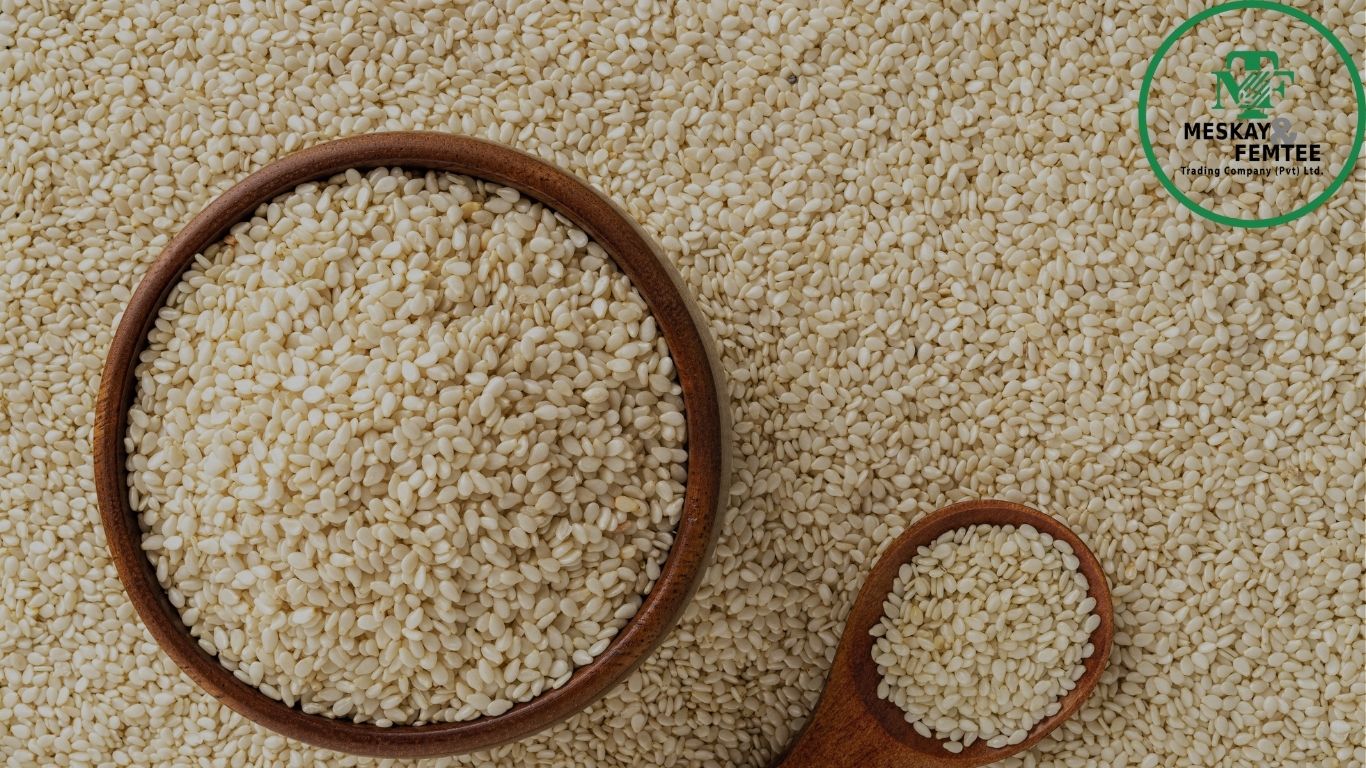
A sesame seed export shipment needs the right HS code, a set of documents, and the quality specifications the buyer has agreed to. For sesame seed export from Pakistan, the HS code is 1207.40, and the documents include a commercial invoice, packing list, bill of lading, certificate of origin, and a phytosanitary certificate issued by the Department of Plant Protection of Pakistan. Purity, moisture, and lab results are also checked before shipment. Getting these right keeps goods moving smoothly through customs.
Table of Contents
There is a definite process for exporting sesame seeds from Pakistan: classifying the product, preparing the paperwork, meeting the buyer’s specifications, and shipping. The issues typically begin when one step is missed. This guide covers each step, so buyers and traders know what a compliant shipment involves.
Sesame Seeds in Pakistan: A Quick Overview
Sesame seeds in Pakistan are cultivated primarily in Punjab and Sindh, with the harvest in October and November. The majority of the crop is exported, and Pakistan is one of the world’s largest exporters of sesame. By far the biggest market is China. Chinese customs records show that 177,640 tonnes of sesame were exported to China during 2024. Much of the crop goes to a range of other countries as well, and the export process is well established, although each country has its own rules. For a fuller picture of the market and its main players, see our guide to sesame seed exporters in Pakistan.
The HS Code for Sesame Seeds
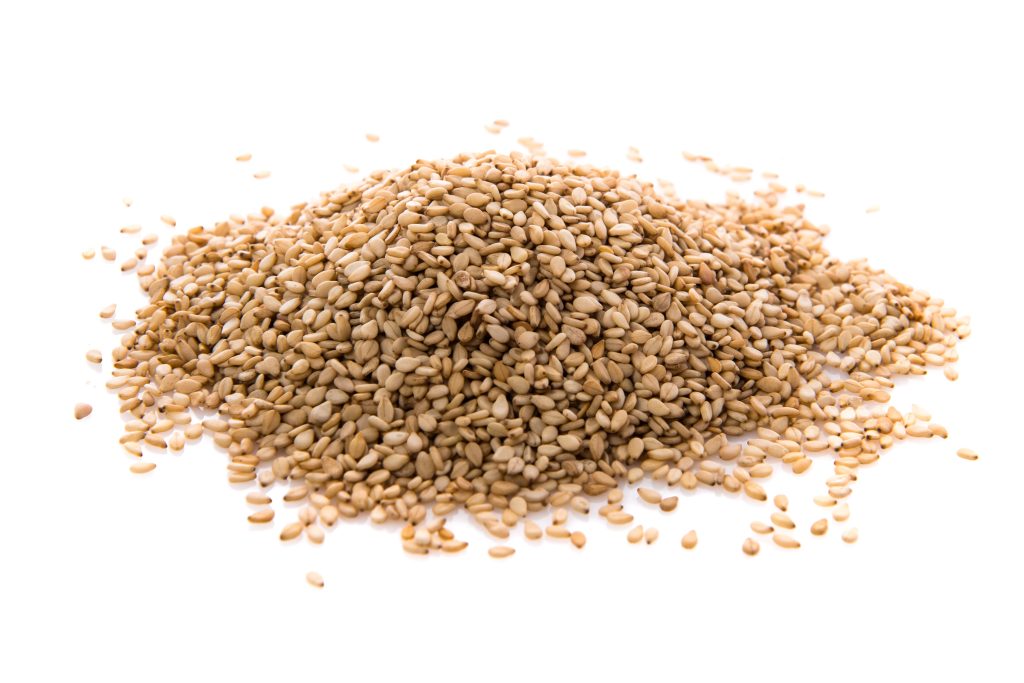
The international HS code for sesame seeds is 1207.40, which covers sesame seeds, broken and unbroken. The HS code is a 6 digit classification used by customs authorities globally to identify a product and determine duties, and it affects import rules.
The first 6 digits are the same in all countries. Pakistan and most importing countries then add more digits for their own tariff lines, so a goods declaration usually carries a code of 8 digits or more. Be sure to check the national code, as national codes differ and a misclassification may extend clearance times or change the duty rate.
Documents Required for Sesame Seed Export
Sesame seed export from Pakistan needs a standard set of trade documents, plus plant health and quality papers. The table below lists each one and who issues it.
| Document | What It Does | Issued By |
|---|---|---|
| Commercial invoice | States the price, quantity, and terms of sale | Exporter |
| Packing list | Details bags, weights, and container contents | Exporter |
| Bill of lading | Proves the goods were loaded and shipped | Shipping line |
| Certificate of origin | Confirms the sesame was produced in Pakistan | Chamber of commerce or authorised body |
| Phytosanitary certificate | Confirms the seeds are free of pests and meet plant health rules | Department of Plant Protection (DPP) |
| Fumigation certificate | Confirms pest treatment, where required | Approved fumigation company |
| Quality/inspection certificate | Confirms purity, moisture, and specification | Independent inspection agency |
| Lab analysis report | Tests for residues, aflatoxin, or Salmonella, where required | Accredited laboratory |
The phytosanitary certificate is the one most likely to cause problems. It must reflect the importing country’s specific plant health requirements, so the exporter should check those requirements before the DPP inspection takes place. On the Pakistan side, the export goods declaration is filed with Pakistan Customs through the Pakistan Single Window.
Destination Rules That Add Extra Steps
Each importing country can add its own requirements on top of the standard documents. Two examples matter most for Pakistani sesame:
- China requires all food exporters to register with the General Administration of Customs (GACC). Exporters must also meet its traceability and phytosanitary conditions.
- The European Union sets strict limits on pesticide residues and contaminants, so lab reports carry real weight for EU buyers.
These requirements change over time, so a buyer should always check the latest rules for the destination market. An established supplier who already ships to your destination will know these steps.
Quality Checks Buyers Ask For
Buyers verify that sesame meets the agreed specification before the shipment. The most common checks are:
- Purity, usually stated as a percentage, such as 99.95%
- Moisture, commonly capped around 6%, because higher moisture risks mould in transit
- Admixture, meaning foreign matter such as dust, stones and other seeds
- Colour and grade (white, natural or hulled)
- Lab results for residues, aflatoxin or Salmonella, where the market requires them
Moisture deserves a special note, as it has a significant impact on quality and on shelf life during a long sea voyage. Our guide on why moisture control matters in sesame export explains why. For checks you can run on a sample yourself, see how to check sesame quality without lab tests.
Packing and Shipping
Sesame seed is packed in polypropylene bags of 25 kg or 50 kg, or in jute bags on request. The bags are loaded into 20 foot containers, which are fumigated if the destination requires it.
Good packing protects the specification you paid for. Clean, sealed bags and a dry, well prepared container reduce the risk of moisture pickup and contamination during transit. For more on what makes a sesame lot suitable for long distance shipping, see what makes sesame seeds suitable for bulk export. If you are also working out costs, our guide to sesame seed price in Pakistan explains what drives the rate.
How to Verify a Pakistani Sesame Exporter
Before placing an order, buyers should confirm that the supplier can deliver what the contract states. These checks separate established sesame seed exporters in Pakistan from traders who cannot back their claims:
- Ask for sample documents, including a past phytosanitary certificate and quality report
- Request a pre-shipment sample that matches your specification
- Check certifications and ask how they apply to your product
- Confirm export experience with your destination market
- Agree on independent inspection before loading
A reliable sesame seed supplier in Pakistan will share this information openly.
Sourcing Export Ready Sesame from MFTC
MFTC is one of the established sesame seed exporters in Karachi, supplying cleaned, graded sesame to international buyers with full export documentation. Our team handles everything from quality checks to packing, following the buyer’s specifications and the rules at the destination.
MFTC can supply white natural sesame seed and black sesame in regular export packaging. If you are choosing between the two, see white vs black sesame seeds. All our certificates support our quality measures, and our customers ask for specifications, samples, and documentation before ordering. Please see our range of sesame seeds or contact the MFTC team for a quotation and to discuss your requirements.
FAQs
What documents are needed to export sesame seeds from Pakistan?
A commercial invoice, packing list, bill of lading, certificate of origin, and phytosanitary certificate, plus fumigation, quality, and lab reports where the buyer requires them.
What is the HS code for sesame seeds?
The international HS code is 1207.40, and countries add further digits for their own national tariff lines.
Is a phytosanitary certificate required for sesame seed export?
Yes, Pakistan’s Department of Plant Protection issues it to confirm the seeds meet the importing country’s plant health rules.
What quality checks do buyers ask for before a sesame shipment?
Purity, moisture, foreign matter, colour and grade, and lab results for residues, aflatoxin, or Salmonella where required.
How are sesame seeds packed for export?
Usually in 25 kg or 50 kg polypropylene bags, loaded into 20 foot containers and fumigated where the destination requires it.
Which countries import sesame seeds from Pakistan?
China is the largest buyer by a wide margin, and smaller volumes go to other markets that each set their own import rules.
How can international buyers verify a Pakistani sesame exporter?
By requesting sample documents and a pre-shipment sample, checking certifications and export experience, and arranging independent inspection before loading.