
A miller in Faisalabad buys wheat, hoping the price doesn’t drop before he processes it. A rice exporter in Karachi signs a contract with a foreign buyer, praying the local procurement price doesn’t spike due to a sudden rumor in the farm. For decades, this volatility hasn’t just been a risk; it has been the accepted cost of doing business in Pakistan.
In 2026, we have decided to change that cost.
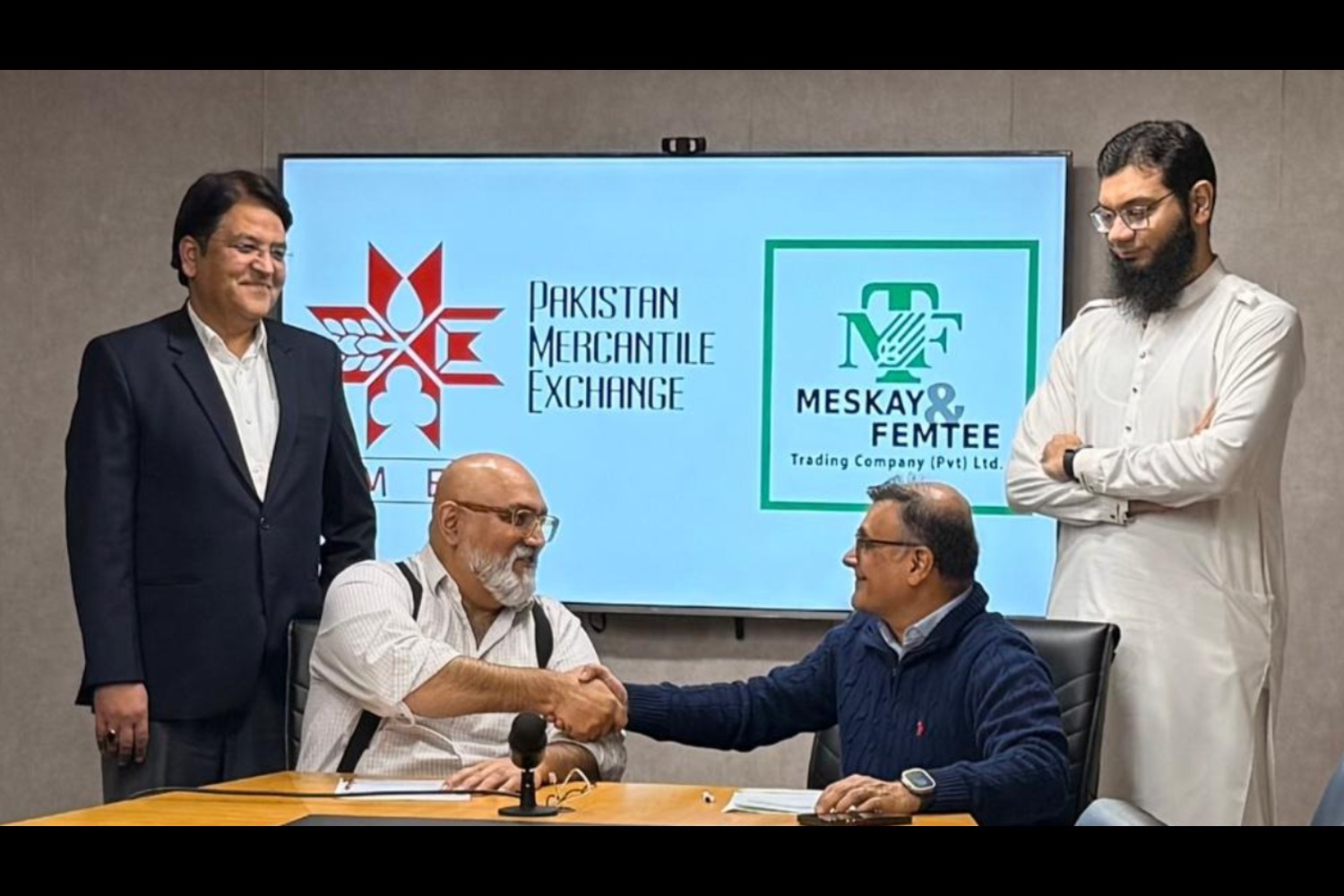
We are proud to announce a historic partnership with the Pakistan Mercantile Exchange (PMEX). Meskay & Femtee Trading Company (MFTC) has officially signed on as an Agri Market Maker for Wheat and Rice Futures.
This isn’t just another contract signing. It is the digitization of Pakistan’s food supply chain. Here is why we did it, and more importantly, what it means for your business.
The Problem: The “Invisible” Price
For too long, price discovery in Pakistan has been fragmented. A farmer in Interior Sindh often relies on a commission agent’s word for the day’s rate. A processor typically relies on WhatsApp groups or phone calls to gauge the market.
This opacity creates two massive problems:
- Inefficiency: Prices lag behind reality.
- Risk: There is no way to “lock in” a price (hedge) against future swings.
The Solution: Visible, Real-Time Liquidity
As a Market Maker, MFTC is solving the liquidity crisis that often plagues new exchanges.
In simple terms, we guarantee the market. We have committed to providing continuous two-way quotes (both buy and sell prices) for Wheat and Rice Futures on PMEX.
- For the Farmer: You don’t have to wonder if there is a buyer. We are there.
- For the Trader: You don’t have to worry if you can exit a position. We ensure the volume is there.
By committing significant volumes of our own trade to the exchange, we are ensuring that PMEX isn’t just a screen, it’s a deep, liquid marketplace from Day One.
How This Upgrades Your Operations
Whether you are a fellow miller, an exporter, or a corporate farmer, moving your trade to a regulated exchange offers three competitive advantages that the mandi cannot match:
1. True Hedging (Risk Management)
Imagine you are a rice exporter. You have an order to ship 1,000 tons in May. You fear prices will rise by then, eating your margin.
- Old Way: Hoard physical stock (expensive warehousing) or pray prices stay low.
- PMEX Way: Buy Rice Futures now for May delivery. You have locked in your cost. If the physical market price rises, your gain on the futures contract offsets it. You have eliminated price risk.
2. Banking & Finance Integration
Banks hate uncertainty. They are reluctant to lend against piles of grain in a private shed because they cannot readily value or secure it.
- The Shift: With Electronic Warehouse Receipts (EWRs) linked to PMEX, your commodity becomes a digital asset. Banks can see the real-time value of your collateral on the exchange. This opens the door to structured financing, allowing you to unlock capital for the next planting season seamlessly.
3. Zero Counterparty Risk
In the informal market, a verbal deal is only as good as the other person’s word. If the market moves 10% against them, defaults happen.
- The Safety Net: On PMEX, the exchange is the central counterparty. Margins are collected daily. Performance is guaranteed. You trade with the confidence that settlement is certain.
The Future is Formal
We didn’t take this step lightly. As one of Pakistan’s top rice millers and a leading exporter, we know the value of the traditional networks. We aren’t replacing them; we are modernizing them.
The global standard for agricultural trade is futures contracts. For Pakistan to compete on the global stage, ensuring food security at home and competitive pricing abroad, we must move from informal opacity to regulated transparency.
To our fellow traders and millers: The infrastructure is ready. The liquidity is here. The risk management tools are live.
Don’t let the next rumor in the market dictate your profit margin.
Ready to modernize your trade?
Explore how you can start hedging with Wheat and Rice Futures today. Visit MFTC to learn more about contract specifications and account opening.
Leave a Reply