
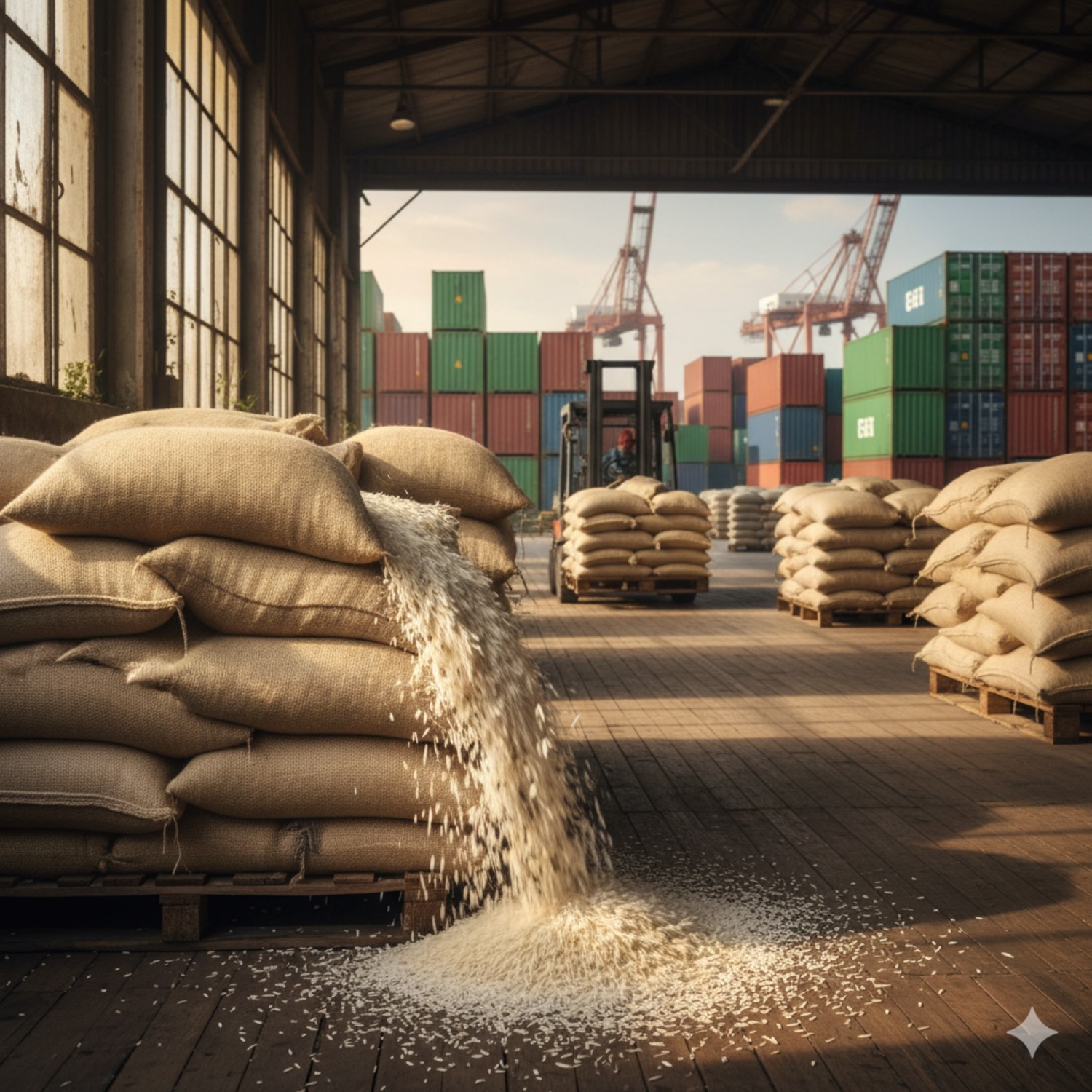
Pakistan is already one of the biggest rice exporters in the world; that’s no secret. But if you look closely, you’ll see there’s still room to grow. Every year, millions of tons of rice leave our ports, heading towards the Middle East, Africa, and Europe. Yet somehow, we’re still not capturing the full potential of what our fields can offer.
The truth is, quality alone isn’t enough anymore. The market’s getting tougher with India, Thailand, and Vietnam as competitors. Hence, the real question is: how can Pakistan lead the global trade market?
Where Pakistan Stands Right Now
Rice is one of Pakistan’s top agricultural exports. Our long grain varieties, especially Basmati rice, have a natural aroma and texture that people all over the world admire. But growth in exports hasn’t been steady. Some years shine while some don’t.
This might partly be due to uneven production, old milling setups, and not enough global marketing. MFTC Private Limited, one of the country’s trusted long grain rice suppliers, has seen these challenges firsthand. The company believes in fixing the small triggers that make a big difference, better processing, cleaner packaging, and consistency that buyers can rely on.
Export Quality Rice: Where It Really Counts
When it comes to exports, “good” isn’t enough; you need to be consistent in maintaining the quality. Importers only enquire and approve the quality that improves and not diminishes over time. That means export quality rice that has uniform rice grain, aroma, and the right moisture levels.
Pakistani exporters can focus on these tips to achieve the ideal export quality.
- Upgrading processing units for polishing and grading.
- Using moisture control systems to prevent spoilage.
- Tracking production from the field to shipment for full transparency and preventing waste.
These steps reduce waste, build buyer confidence, and, over time, raise Pakistan’s reputation as a dependable supplier.
Finding New Buyers, Not Just More Sales
Pakistan’s rice already does well in traditional markets like the Gulf and Europe. But what about the new players? Africa, Central Asia, and parts of Latin America are becoming strong importers of long grain rice.
MFTC has been watching these markets closely. We have managed to grow in places where very few Pakistani exporters look by the help of trade fairs, digital outreach, and building direct links with importers. In the end, it’s not just about selling rice; it’s about building trust.
The Role of Technology and Branding
Industries often forget that technology isn’t just about machines. It’s also about presentation. Automated milling and packaging make production faster, but digital branding gives your rice a name. Companies that take branding seriously, update websites, and provide real product info look more credible to international buyers. MFTC, for example, invests not just in machinery but in brand identity. When a buyer knows your name and sees your story, they tie up the trade knot.
Government and Policy Support
The government plays a big part in the trade. By simplifying paperwork, improving port handling, and offering export incentives, Pakistan can also promote its rice trade and compete in the market as a national export brand. Take the example of Thailand, which markets its jasmine rice to all parts of the world and is unbeatable in their trade as well as the prices.
Sustainability Matters
Nowadays, with the prevalence of fraud, buyers are becoming more conscious about where their food is coming from. They conduct quality checks on the products as well as examine the history of the brand. from the packaging to fair trade practices, everything is scrutinized. If Pakistan’s exporters align with global values and quality, it could help to open even more doors into the international market.
At MFTC, this thinking is already taking root. Our company works closely with farmers to promote better irrigation practices and eco-friendly processing.
Wrapping It Up
Pakistan’s agricultural and rice industry has the experience, the quality, and the land to compete with any other country. What we need now is to focus on keeping the quality consistent throughout the trade, using recent and efficient technology, and working on branding. This way, Pakistan can not only stay among the biggest exporters of rice but one day lead the trade charts too.
FAQs
1. What makes Pakistani rice so popular globally?
A: It’s the natural aroma, the long grains, and that fluffy texture. Pakistani Basmati has a taste that’s hard to copy anywhere else.
2. How can exporters maintain export quality rice?
A: By using advanced milling systems, controlling moisture, and maintaining clean storage. The goal is consistency every single time.
3. Who are Pakistan’s main rice buyers?
A: Countries like Saudi Arabia, the UAE, Iran, and Kenya import large volumes every year. European markets are growing too.
4. What makes MFTC a trusted long grain rice supplier?
A: MFTC combines technology, strict inspection, and sustainable sourcing to deliver consistent quality, and they don’t compromise on that.
5. How can Pakistan increase its rice exports?
A: By improving branding, exploring new markets, and building long-term relationships instead of one-time sales.
Leave a Reply