
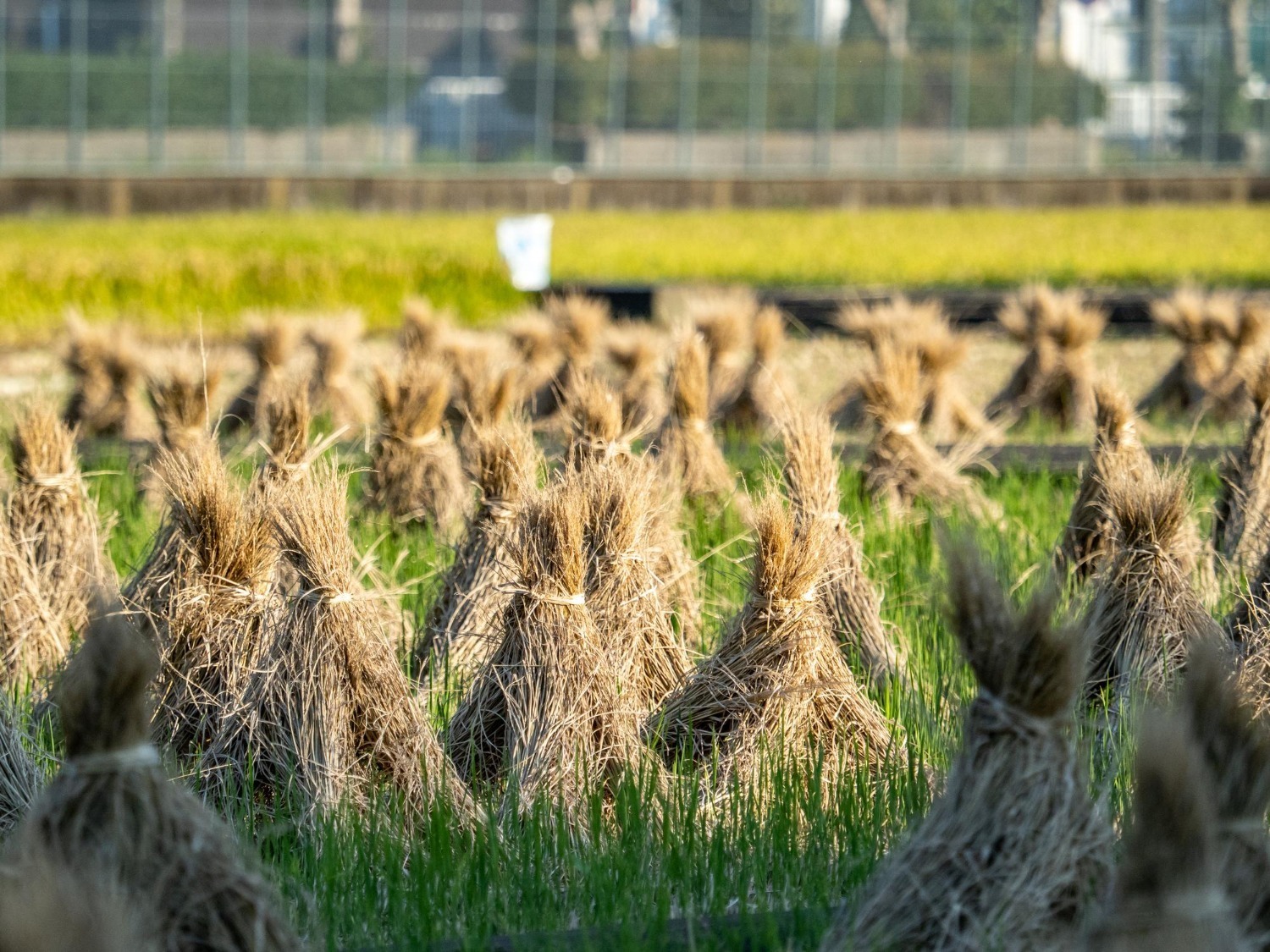
As global demand for rice continues to rise, the future of rice exports depends on adopting sustainable agricultural practices. Climate change, water scarcity, and environmental degradation are major challenges facing rice farming. However, innovative farming techniques and climate-smart practices provide hope for a more sustainable future. Leading rice exporters are increasingly focusing on sustainable practices to ensure high-quality rice production while minimizing environmental impacts.
The shift towards sustainability in rice farming is essential not only for environmental health but also for long-term economic viability and food security.
Technological & Agricultural Innovations
Water and Methane Management
- Techniques like Alternate Wetting and Drying (AWD) help conserve water and reduce methane emissions from rice fields, a major concern in rice cultivation. This practice significantly lowers the carbon footprint of rice farming.
Soil Health
- Crop rotation, organic fertilizers, and effective soil management techniques improve soil fertility and maintain long-term soil health. These practices also reduce the need for chemical fertilizers and pesticides, benefiting both the environment and farmer health.
Integrated Pest Management (IPM)
- Shifting from chemical pesticides to organic pest management reduces environmental pollution and promotes healthier ecosystems. IPM helps farmers reduce input costs while promoting biodiversity and soil health.
Improved Rice Varieties
- Developing climate-resilient rice varieties that are resistant to heat, drought, and pests helps farmers maintain consistent yields despite changing weather conditions. These improved varieties ensure that the rice industry can withstand future climate challenges.
Value Chain & Market Dynamics
Sustainable Certifications
- Sustainable certifications from organizations like the Sustainable Rice Platform (SRP) set standards that link environmentally responsible farming with better market access and higher-quality rice. These certifications ensure that consumers can trust the environmental and social responsibility behind their purchases.
Traceability Systems
- Implementing traceability systems throughout the supply chain helps verify sustainable practices, providing transparency and ensuring food safety. These systems are crucial for building trust with consumers and maintaining the integrity of the global rice market.
Farmer Engagement and Training
- Training programs for farmers are key to adopting sustainable farming methods. Education in climate-smart agriculture, integrated landscape management, modern farming techniques, and water-saving techniques empowers farmers to adapt to new challenges and sustainably improve productivity.
Sustainable Packaging and Logistics
- Adopting eco-friendly packaging and optimizing logistics can reduce the carbon footprint of rice exports. Sustainable packaging materials and efficient transport systems help make the entire rice supply chain more environmentally responsible.
Addressing Market & Climate Challenges
Market Demand
- As consumers become more environmentally conscious, the demand for sustainably produced rice is growing. Brands that prioritize sustainability will gain a competitive edge in the market, meeting the needs of eco-conscious consumers.
Climate Change Mitigation
- Agriculture, including rice farming, is a significant contributor to greenhouse gas emissions. Transitioning to low-carbon farming methods, such as AWD and organic farming, is essential to mitigating climate change and protecting the planet for future generations.
Reputational Risk
- Companies that fail to address environmental and social concerns risk damaging their reputation and losing consumer trust. Sustainability is no longer just a moral responsibility; it is also a key business strategy for long-term success in the rice export industry.
Conclusion
The transition to sustainable rice farming practices is essential for the rice industry to thrive in a changing climate. By integrating technological innovations, mechanized farming techniques, and improved value chain management, rice exporters can provide high-quality, environmentally responsible rice to the global market. The future of rice exportation lies in creating a balance between environmental preservation, economic viability, and food security.
Leading exporters are already embracing sustainable practices to ensure they contribute to a more sustainable future for the global rice market.
As a leader in this space, MFTC continues to prioritize sustainable practices in rice production and export, setting an example for others in the industry. Through ongoing investment in sustainable techniques and farmer education, MFTC is committed to providing high-quality rice while minimizing its environmental impact.
FAQs
1. What are the key sustainable practices in rice farming?
A: Sustainable practices in rice farming include water-saving techniques like Alternate Wetting and Drying (AWD), organic fertilizers, crop rotation, and integrated pest management.
2. How does sustainable rice farming help mitigate climate change?
A: Sustainable rice farming practices, such as reducing methane emissions through AWD and improving soil health with organic methods, help reduce the carbon footprint of rice farming.
3. What role do certifications play in sustainable rice farming?
A: Certifications like those from the Sustainable Rice Platform (SRP) ensure that rice is grown using environmentally responsible methods, helping build consumer trust and access to global markets.
4. How do traceability systems improve the rice supply chain?
A: Traceability systems verify that sustainable practices are followed throughout the rice supply chain, ensuring transparency and food safety for consumers.
5. Why is sustainability important for rice exporters?
A: Sustainability is essential for protecting the environment, meeting growing consumer demand for responsibly produced food, and maintaining a positive brand reputation in the competitive rice export market.
Leave a Reply