
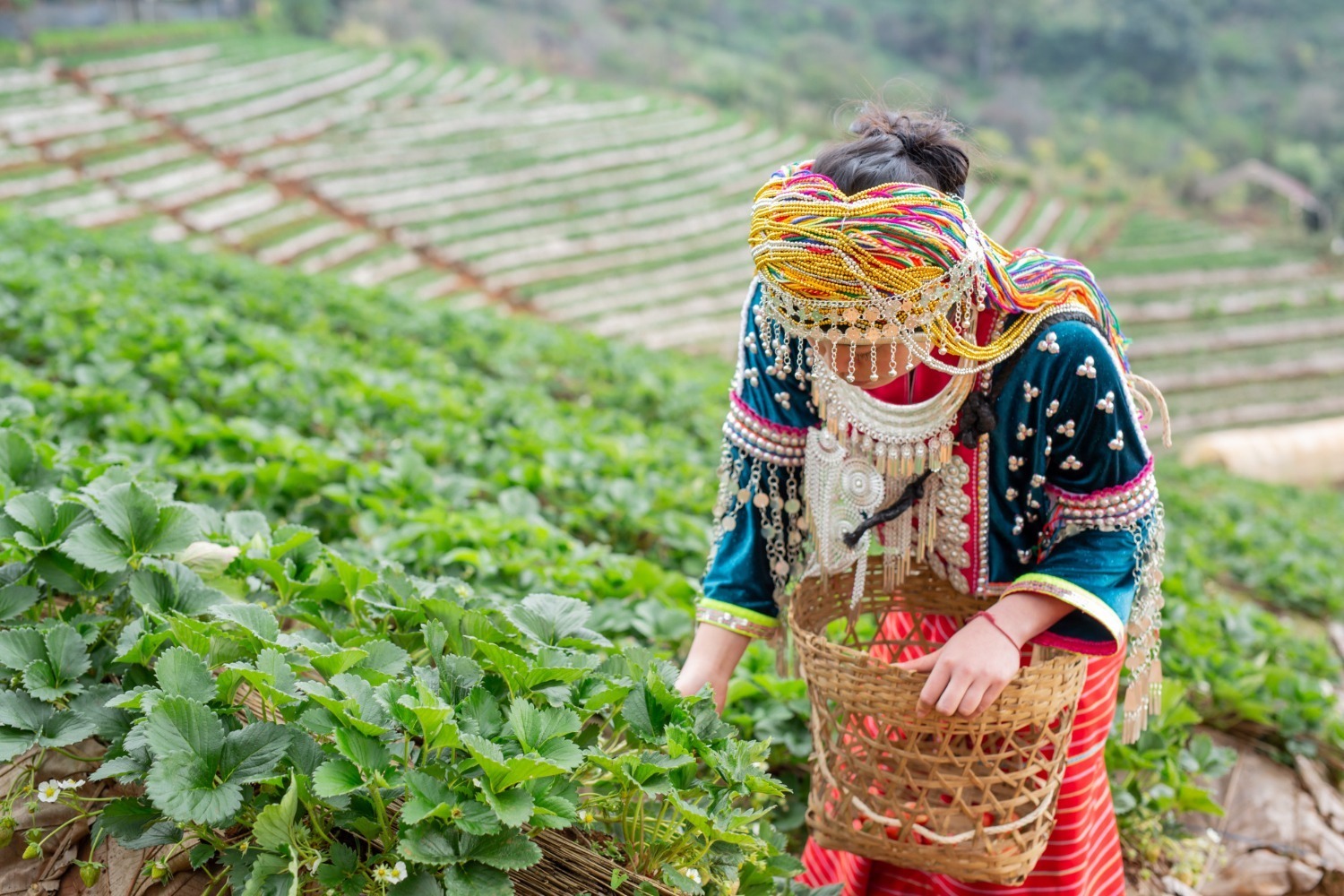
Pakistan, renowned for its agricultural prowess, remains one of the world’s most significant players in the global agricultural export market. As of 2026, the country’s agricultural exports continue to provide vital support to its economy and generate much-needed foreign exchange. Here’s an overview of the five major agricultural export commodities that define Pakistan’s agricultural export sector in 2026.
1. Rice – The Leading Export Commodity
Rice is undoubtedly Pakistan’s most significant agricultural export. The country holds a prominent position as one of the world’s largest rice producers. In 2024-2025, Pakistan exported over 5.5 million metric tons of rice, valued at approximately $3.2 billion.
- Basmati Rice: Known for its long grain and unique aroma, Basmati rice remains in high demand, especially in the Middle East, Europe, and North America.
- Non-Basmati Rice: Other varieties of rice also contribute significantly to Pakistan’s rice exports.
Rice continues to be a key contributor to Pakistan’s agricultural GDP and foreign exchange reserves, and profit margins in rice export remain closely tied to global demand and shipping costs.
2. Fruits – Mangoes Leading the Charge
When it comes to fruits, mangoes take the lead in Pakistan’s agricultural exports. Famous for their superior quality and taste, Pakistani mangoes are recognized globally. The country’s favorable climate supports the cultivation of various varieties, including:
- Sindhri
- Chaunsa
- Anwar Ratol
These mangoes are celebrated for their sweetness and fragrance, making them a global favorite. Other fruits, like oranges, also contribute to Pakistan’s fruit export portfolio. As mangoes continue to dominate, their global demand is only expected to grow in the coming years.
3. Vegetables – Onions and Potatoes at the Forefront
Vegetables play a crucial role in Pakistan’s agricultural export sector, with onions and potatoes being the most prominent contributors. These vegetables see high seasonal demand both regionally and internationally. Key highlights include:
- High seasonal demand in markets such as the Middle East, Europe, and Central Asia.
- Ongoing investments in infrastructure improvements have helped meet rising global demand.
Pakistan’s vast agricultural base, coupled with improvements in its supply chain, has strengthened its position as a reliable vegetable exporter.
4. Cotton – The Backbone of the Textile Industry
While textiles are the primary export of Pakistan’s textile industry, raw cotton remains a crucial agricultural input. Pakistan is one of the largest cotton producers globally, and the cotton sector plays a vital role in:
- Supporting the textile industry, which is a significant export sector.
- Cotton-based textiles, including garments and home textiles, remain major contributors to Pakistan’s exports.
Cotton’s importance is undeniable, as it forms the backbone of Pakistan’s thriving textile industry.
5. Sugarcane – The Crop of Versatility
Sugarcane is another key agricultural export from Pakistan. It plays an essential role in the production of:
- Sugar
- Ethanol
Sugarcane farming has long been a profitable venture, and its processed products are vital to the country’s export economy. As global demand for biofuels and sugar products increases, sugarcane’s importance continues to rise.
Summary Table of Major Agricultural Export Commodities in 2026
| Rank | Commodity | Notes |
| 1 | Rice | Leading exports include Basmati |
| 2 | Fruits (Mangoes) | High global demand, especially for mangoes |
| 3 | Vegetables (Onion, Potato) | Supported by infrastructure improvements |
| 4 | Cotton | Raw input for textile exports |
| 5 | Sugarcane | Crop for sugar and ethanol production |
Conclusion
Pakistan’s agricultural export capabilities continue to thrive, thanks to its diverse commodities. These exports not only strengthen the country’s economy but also contribute significantly to its position in the global agricultural market. The future of Pakistan’s agricultural exports looks promising, with increasing global demand and a continued focus on sustainability and quality.
Meskay and Femtee Trading Company (MFTC), as a leading rice mill, exporter, and supplier in Pakistan, plays a pivotal role in enhancing Pakistan’s rice export potential. MFTC has established itself as a key player in the rice export sector and continues to contribute to the country’s growing export economy, ensuring the global supply chain receives high-quality products from Pakistan.
FAQs
1. What are the main agricultural exports of Pakistan?
A: Rice, fruits (especially mangoes), vegetables (onions, potatoes), cotton, and sugarcane.
2. How much rice does Pakistan export annually?
A: In 2026, Pakistan exported over 5.5 million metric tons of rice, valued at around $3.2 billion.
3. What fruits does Pakistan export?
A: Pakistan is a significant exporter of mangoes and oranges, with mangoes being the top fruit export commodity.
4. Why is cotton important to Pakistan’s economy?
A: Cotton supports Pakistan’s large textile industry, which is a major contributor to the country’s export earnings.
5. How does sugarcane contribute to Pakistan’s exports?
A: Sugarcane is processed into sugar and ethanol, both of which contribute significantly to Pakistan’s export sector.
Leave a Reply