
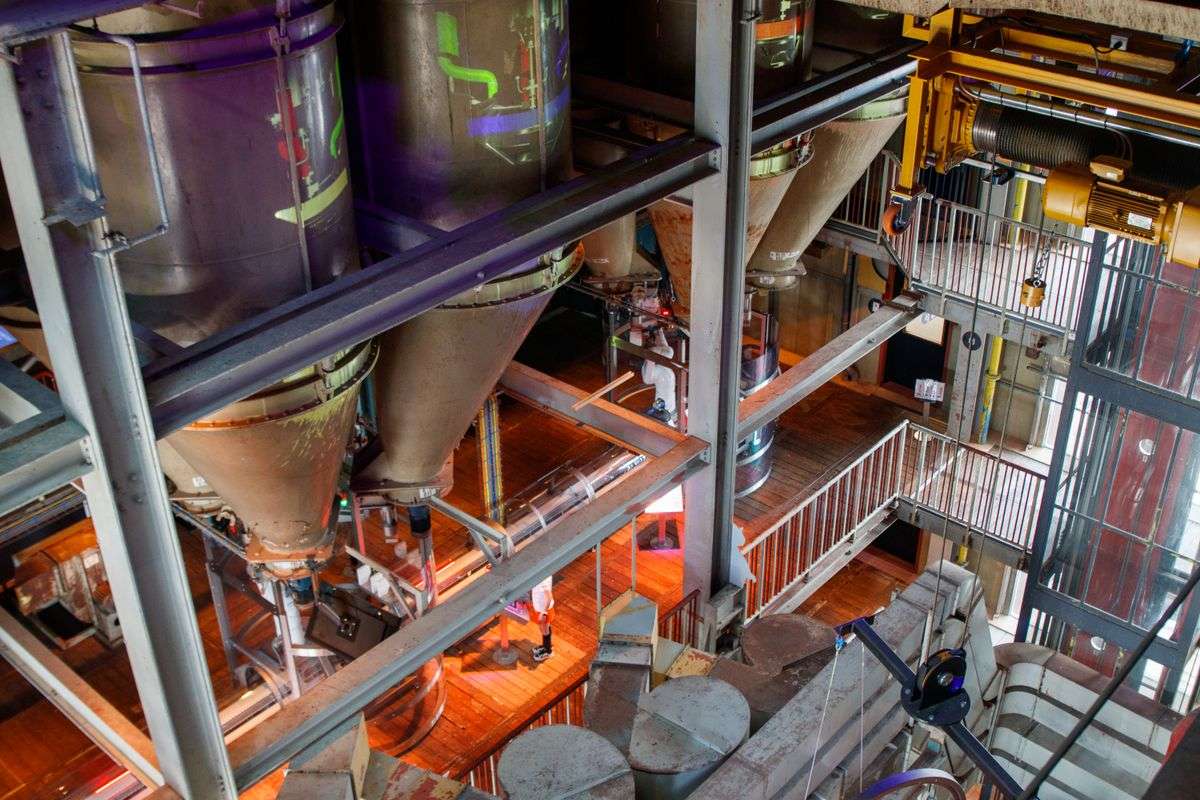
A rice mill is a place that converts raw paddy into clean, edible rice, and the process used in a mill is directly related to the quality of the rice produced. To meet the requirements of the modern market, the rice mills in Pakistan are adopting modern multistage and automated machinery and sensor based sorting systems, which result in the production of cleaner and uniform rice with fewer broken grains and a high head rice percentage. Conventional mills use more basic and manual operations, which may lead to higher breakage and variability. Most serious buyers prefer modern rice mills because they generally yield better rice for export purposes.
Table of Contents
For anyone who purchases rice in bulk, the quality of the grain is determined during milling before it even reaches the bag. Yet rice mills in Pakistan vary widely, ranging from traditional to fully modernised rice mills, which is seen in the rate of breakage, colour, and consistency. This guide details the functions of each type, their advantages and disadvantages, and their grain production capabilities, helping buyers make informed choices.
What Is a Rice Mill?
A rice mill is a facility that processes harvested paddy into clean, polished, edible rice by removing the husk, bran, and impurities. The core stages are the same everywhere, cleaning, husking, milling, polishing, and sorting, but how those stages are carried out is what separates a traditional mill from a modern one. For a step by step breakdown, read our guide to the rice milling process.
That difference matters because every stage affects the final grain. A well controlled process produces clean, whole, uniform rice; a poorly controlled one produces broken, discoloured, inconsistent rice. So the type of rice mill behind a shipment is one of the biggest factors in its quality, and the reason this comparison is worth understanding before you buy.
How Traditional Rice Mills Work
Traditional rice mills rely on simpler, often manual or semi mechanised equipment to process paddy. Hulling and polishing are done with basic machinery, and sorting is frequently done by hand or with minimal automation.
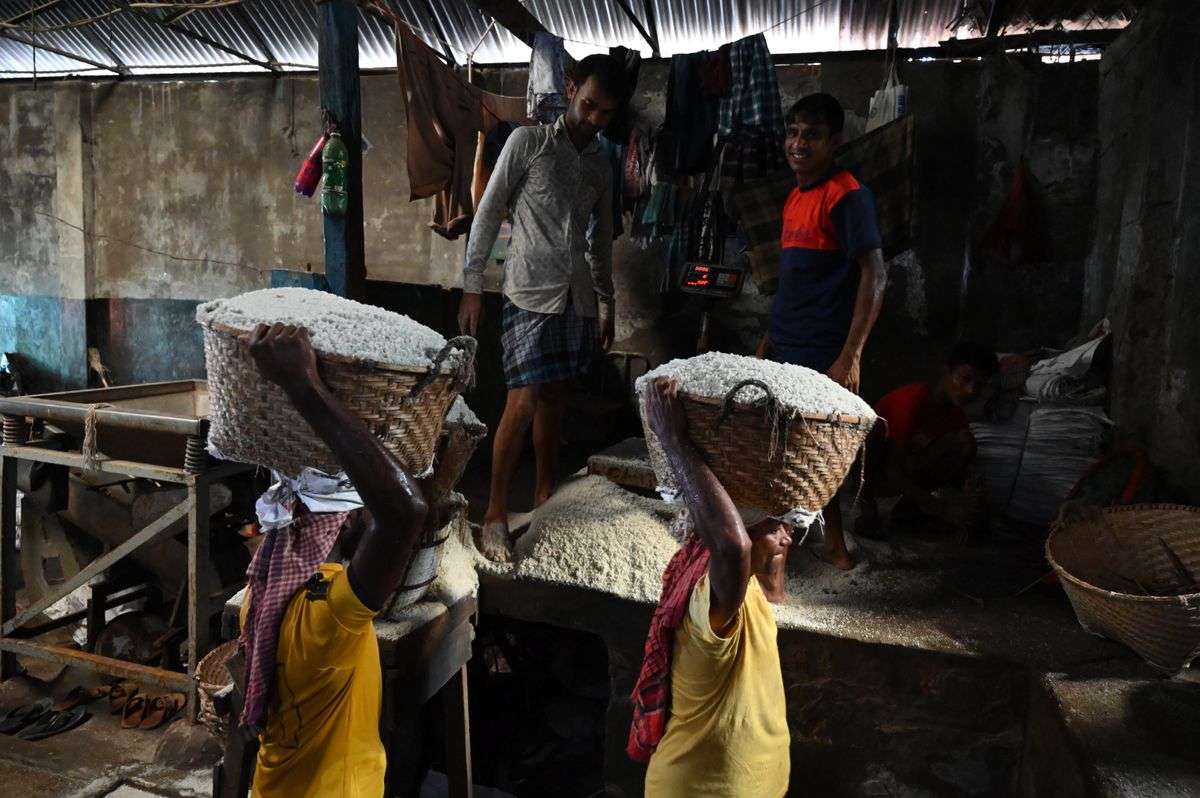
This approach has served the industry for generations and still works, but it comes with limitations. Because the process is less controlled, there is often more grain breakage, less consistent polishing, and more variation between batches. Manual sorting also struggles to remove every discoloured or broken grain, so the final product tends to be less uniform. Traditional mills can still produce usable rice, but holding a precise, repeatable export standard is harder.
How Modern Rice Mills Work
A modern rice mill uses automated, multistage machinery and sensor based technology to process paddy with far greater precision and consistency. Each stage, husking, whitening, polishing, and grading, is controlled by purpose built equipment designed to protect the grain.
The defining feature is technology at the sorting stage. Modern mills use Sortex machines, optical sensors, and cameras that scan every grain and remove broken, discoloured, or defective ones automatically. Combined with multistage milling that reduces breakage and precise polishing, this produces cleaner, whiter, more uniform rice with a higher head rice yield (the percentage of whole, unbroken grains). The result is the repeatable, export grade consistency that international buyers require.
What a Modern Rice Milling Plant Looks Like
A modern rice milling plant is an integrated line of connected machines, each handling one stage of turning paddy into finished rice. Rather than a single machine, it’s a coordinated system, and the quality of that rice mill machinery is what defines the output. A typical modern plant includes:
- Pre-cleaners and de-stoners: remove dust, straw, stones, and foreign matter from the paddy
- Paddy huskers (shellers): strip off the outer husk to reveal the brown rice
- Separators: divide husked grain from any unhusked paddy for reprocessing
- Whitening and polishing machines: remove the bran layer and polish the grain for a clean, even finish
- Sortex optical sorters: scan every grain with sensors and cameras, automatically removing broken, discoloured, or defective grains
- Length graders: sort the rice by grain length for uniform, consistent batches
- Automated packing lines: weigh and pack the finished rice to export specification
This is the difference a buyer feels in the bag. A full modern milling plant, with proper rice mill machinery at every stage, is what produces the low breakage, uniform polish, and high head rice yield that traditional setups cannot match consistently.
Modern vs Traditional: Pros and Cons
Both methods have their place, but they deliver very different results. The table below compares them directly.
| Factor | Traditional Rice Mill | Modern Rice Mill |
|---|---|---|
| Machinery | Simple, manual or semi mechanised | Automated, multistage plant |
| Sorting | Manual or minimal | Sensor based Sortex sorting |
| Broken grains | Higher breakage | Lower breakage, higher head rice yield |
| Consistency | Varies between batches | Uniform, repeatable |
| Polish & colour | Less consistent | Clean, even, uniform |
| Output speed | Slower, lower volume | Faster, high volume |
| Export suitability | Limited | Export grade |
| Best for | Small scale, local supply | Bulk, export, premium grades |
The clear read: traditional mills can serve smaller, local needs, but modern mills deliver the consistency, low breakage, and volume that export and bulk buyers depend on.
Which Method Suits Which Need?
The right mill depends on the buyer’s requirement, which is where the choice becomes practical rather than simply “better or worse.”
- Traditional milling can suit smaller scale, local, or lower volume supply where strict uniformity and export documentation are not the priority.
- Modern milling suits bulk orders, export markets, and premium grades, where low breakage, consistent polish, and repeatable quality are essential.
For any buyer sourcing export grade or high volume rice, modern milling is effectively the standard, which is why modern mills are considered among the best rice mills for export supply, the consistency and head rice yield they deliver are difficult to achieve any other way. To see how the sector is evolving, read about rice mills in Pakistan and their role in export growth.
How Milling Affects Grain Quality
The milling method directly shapes the three things buyers judge rice on: breakage, polish and colour, and grain length. Precise, modern milling preserves more whole grains, so breakage is lower, and head rice yield is higher.
It also affects appearance. Controlled polishing produces an even, clean, uniform colour, while inconsistent polishing leaves patchy or dull grain. And gentler, multistage processing protects long grains like Basmati from snapping, preserving the grain length that premium rice is valued for. In short, the same paddy can become premium export rice or an average product, depending entirely on how well it is milled, which is why broken grains in bulk shipments so often trace back to the milling process.
What MFTC Uses, and Why It Matters
For buyers who want export grade grain with dependable consistency, the mill behind the rice is what matters, and this is where MFTC stands apart. MFTC operates modern, multistage rice milling with advanced technology across the process, from paddy intake to packaging.
As a company based in Karachi and one of the established rice mills in Karachi serving export markets, MFTC uses high tech Sortex sensor and camera sorting for precise, uniform grading, multistage milling that minimises breakage and protects grain length, and controlled polishing for clean, even colour, all backed by rigorous quality control and full export documentation. This modern process is exactly what delivers the low breakage, high head rice yield, and batch-to-batch consistency that international buyers require. Explore our rice export range, and to discuss your requirements or request samples, contact the MFTC team.
FAQs
What is the difference between a modern and a traditional rice mill?
A modern rice mill uses automated, multistage machinery and sensor based sorting for cleaner, more uniform rice, while a traditional mill relies on simpler, manual processes that tend to produce more breakage and inconsistency.
Do modern rice mills produce fewer broken grains?
Yes. Modern multistage milling handles the grain more gently and precisely, producing fewer broken grains and a higher head rice yield than traditional milling.
What machinery does a modern rice mill in Pakistan use?
Automated husking, whitening, and polishing machines, plus Sortex optical sorters that use sensors and cameras to remove broken and discoloured grains automatically.
Is rice from traditional mills still suitable for export?
It can be for some markets, but traditional mills struggle to hold the consistent, low breakage, export grade standard that most international buyers require.
How does the milling method affect rice polish, colour and grain length?
Precise modern milling gives cleaner, more even polish and colour and protects long grains from breaking, while less controlled milling produces patchier polish and more breakage.
Why do export buyers prefer rice processed in modern mills?
Because modern mills deliver consistent quality, low breakage, uniform polish, and a higher head rice yield, batch after batch, which is essential for reliable export supply.
How can buyers check which milling process a supplier uses?
By asking the supplier directly about their machinery and sorting technology, requesting quality documentation, and confirming whether Sortex sorting and multistage milling are used.