
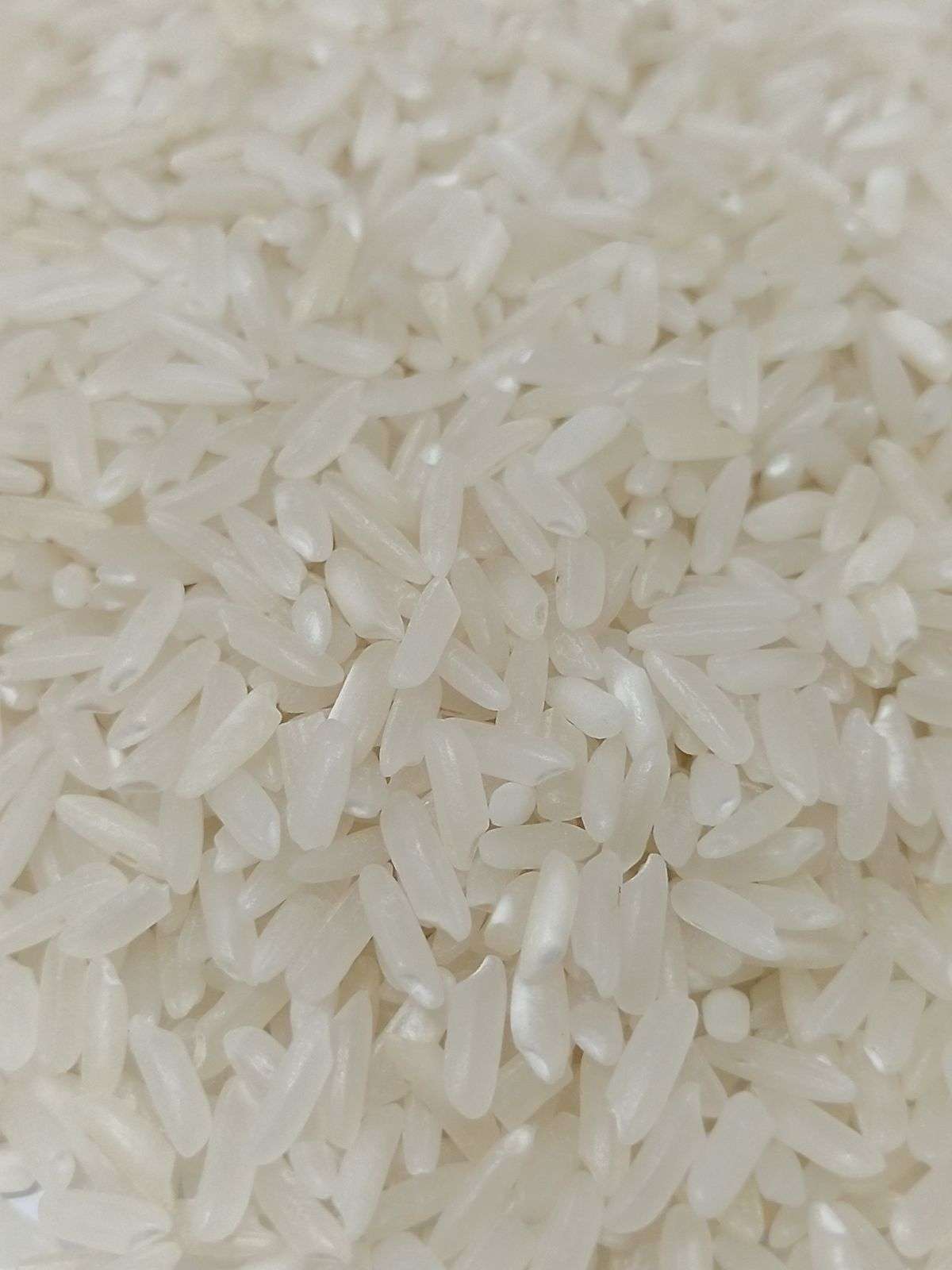
Rice grading is a system used to classify rice quality by measurable standards, mainly broken percentage, cleanliness, and grain length. “5% broken” means a maximum of 5% of the rice by weight is broken grains; a lower figure means higher quality. “Sortex clean” means the rice has been machine sorted to remove discoloured and defective grains. “Average grain length” is the mean length of the grains in millimetres. Together, these three terms tell a buyer exactly what quality they are purchasing, which is why they appear on every rice export contract.
Table of Contents
For anyone buying rice in bulk, the grading terms on a contract are the real specification, they define exactly what arrives in the container. Yet terms like “5% broken,” “Sortex clean,” and “average grain length” are often quoted without being explained, and misreading them can mean paying for a grade you didn’t intend. This guide decodes the key rice grading terms in plain language, so you can read any rice specification with confidence.
What Is Rice Grading?
Rice grading is the process of sorting and classifying rice into defined quality levels based on measurable standards, chiefly the proportion of broken grains, the cleanliness of the rice, and the length of the grain. In simple terms, it is how the rice industry turns “quality” into exact, agreed numbers.
Every bag of export rice carries a grade, and that grade is built from a handful of specific measurements rather than opinion. A grade tells you, at a glance, how whole the grains are, how clean and uniform they look, and how long they measure. Those figures are set during milling and confirmed through testing, and they follow the rice all the way onto the export contract. Understanding what they mean is the first step to buying rice with confidence, which is exactly what the rest of this guide covers, one term at a time, from the basics to what appears on your contract.
Why Rice Grading Matters
Rice grading is how buyers and suppliers agree on quality in precise, verifiable terms rather than vague descriptions. Instead of “good quality rice,” the rice specifications on a contract set measurable figures, and those figures determine both the quality and the price.
This precision protects both sides. For the buyer, the grading terms are a guarantee of what they are paying for; for the supplier, they are a clear standard to meet. Because price tracks grade closely, a small difference in broken percentage or grain length can change the value of an entire shipment. Understanding these terms is therefore essential before signing any rice contract.
What Does “5% Broken” Mean?
“5% broken” means that a maximum of 5% of the rice, by weight, consists of broken grains, with the remaining 95% being whole grains. Broken rice is any grain that is less than a defined fraction of a whole grain, and the percentage is one of the most important quality indicators.
The lower the broken percentage, the higher the quality and the price. Premium export grades typically specify 0% to 2% broken, standard export grades allow up to 5%, and lower grades run to 25% or even 100% broken rice, which is sold for specific uses. So when a contract says “5% broken,” it sets a clear ceiling: no more than 5% broken grains are acceptable in that consignment. Always confirm the broken percentage in writing, because it directly affects what you receive. To understand why broken grains show up in a consignment, read about the causes of broken grains in bulk rice shipments.
What Is Sortex Clean Rice?
Sortex clean rice, often called Sortex rice, has been passed through a Sortex optical sorting machine, which uses sensors and cameras to automatically remove discoloured, damaged, chalky, and foreign grains. The term “100% Sortex clean” means the rice has been fully machine sorted for colour and purity.
This matters because it is the difference between visually clean, uniform rice and rice that may contain yellow, black, or damaged grains. Sortex cleaning removes the defects the human eye and manual sorting miss, producing a cleaner, more consistent product. A specification marked “Sortex clean” tells the buyer the rice has been through this process, while “non Sortex” rice has not, and is usually a lower grade. It is one of the clearest signals of a modern, quality milling operation.
What Is Average Grain Length?
Average grain length is the mean length of the milled rice grains, measured in millimetres before cooking, taken from a representative sample. It is a defining grading parameter, especially for long grain and Basmati rice, where length is a mark of quality.
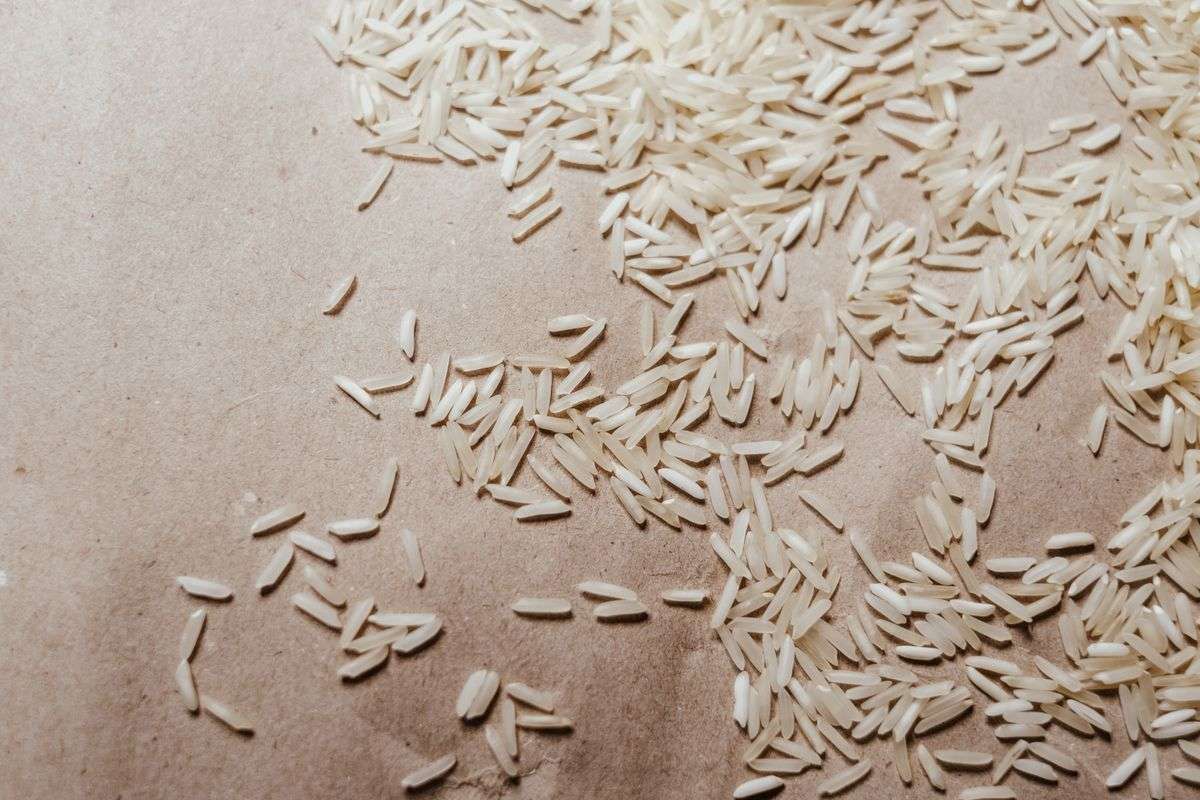
Different rice types have different length standards. Basmati rice must have a minimum average grain length of around 6.61mm to qualify as Basmati, while 1121 basmati rice, a premium extra-long variety, reaches around 8.0mm or more, and 1509 Basmati sits around 8.1 to 8.4mm. Shorter non Basmati varieties such as IRRI types typically range from about 5.2 to 6.6mm. Because longer grains command higher prices in many markets, the average grain length on a contract is a direct indicator of the grade, and worth confirming against the variety you expect.
Rice Grading Terms at a Glance
The three core terms work together to define a grade. The table below summarises what each tells a buyer.
| Grading Term | What It Measures | What a Buyer Should Know |
|---|---|---|
| Broken % | Proportion of broken grains by weight | 0 to 2% = premium; up to 5% = standard export; higher = lower grade |
| Sortex clean | Colour and defect sorting | “100% Sortex” = fully machine sorted; “non Sortex” = lower grade |
| Average grain length | Mean grain length in mm | Basmati 6.61mm or more; 1121 around 8.0mm or more; longer usually means higher value |
| Moisture | Water content | Typically 12 to 13% max; affects shelf life |
| Purity | Freedom from admixture and foreign matter | Higher purity = higher grade |
Read together, these figures are the full fingerprint of a rice grade, which is why they appear on every serious rice export contract. For more on purity requirements, see our guide to rice purity and Basmati export standards in Pakistan.
Basmati vs IRRI: Do They Grade the Same?
Basmati and IRRI (non Basmati) rice use the same grading parameters, broken percentage, Sortex cleaning, grain length, moisture, and purity, but the standards within them differ. The system is shared; the benchmarks are not.
The clearest difference is grain length. Basmati rice grades are set against long grain standards (6.61mm and above), while IRRI varieties are shorter and graded accordingly. Aroma and elongation also matter for Basmati but not for IRRI. So a buyer should always read the grade in the context of the variety, a figure that is premium for IRRI may be standard for Basmati. For more on the varieties themselves, see our guide to 1121, 1509 and IRRI rice.
How to Verify Rice Grading Before Shipment
Grading terms are only meaningful if they are verified, so buyers should confirm the grade before a shipment leaves, not after it arrives. A few checks make this reliable.
- Request a specification sheet stating broken %, Sortex status, grain length, moisture, and purity
- Ask for pre shipment inspection or a quality certificate confirming the grade
- Request a sample that matches the contract specification
- Confirm the milling and sorting process used, Sortex and multistage milling indicate a modern operation
These steps turn the grading terms from a promise into a verified standard, and are standard practice for experienced buyers. They are also why quality control on bulk rice orders matters as much as the grade itself.
Sourcing Graded Rice from MFTC
For buyers who want rice supplied to a precise, verifiable grade, the supplier’s milling and quality process is what delivers it. As an established rice exporter and supplier in Pakistan, MFTC processes rice to exact export grades, with the documentation to prove it. These grading standards sit at the centre of Pakistan rice export.
MFTC uses high tech Sortex sensor and camera sorting for genuine Sortex clean quality, multistage milling that keeps broken percentages low, and grading that meets the grain length standards each variety requires, all backed by rigorous quality control and full export specifications. Whether you need a 2% or 5% broken grade, Sortex clean Basmati, or a specific grain length, MFTC can supply to your exact contract specification. To request a specification, quotation, or samples, contact the MFTC team.
FAQs
What does 5% broken mean in rice specifications?
It means a maximum of 5% of the rice by weight consists of broken grains, with the rest being whole grains. A lower percentage indicates higher quality.
What is Sortex clean rice?
Sortex clean rice has been passed through an optical sorting machine that removes discoloured, damaged, and foreign grains, giving a cleaner, more uniform product.
How is average grain length measured in rice?
It is the mean length of milled grains in millimetres before cooking, measured from a representative sample, a key indicator of grade, especially for Basmati.
Is 2% broken rice better than 5% broken rice?
Yes. 2% broken rice has fewer broken grains, making it a higher, more premium grade than 5% broken, and usually higher priced.
What grading terms appear on a rice export contract?
Typically, broken percentage, Sortex (clean or non Sortex), average grain length, moisture content, and purity are the measurable standards that define the grade.
Do Basmati and IRRI rice use the same grading standards?
They use the same parameters but different benchmarks, especially grain length, so a grade should always be read in the context of the specific variety.
How can buyers verify rice grading before shipment?
By requesting a specification sheet, a matching sample, and a preshipment inspection or quality certificate, and confirming the milling and Sortex process used.